
The healthcare landscape is evolving rapidly, and chronic diseases have become one of the biggest challenges for medical professionals worldwide. Among these conditions, Diabetes Mellitus has emerged as a global epidemic, affecting millions of people across all age groups. The increasing prevalence of diabetes, coupled with its complex management requirements, has created a growing demand for healthcare professionals with specialized expertise in diabetology.
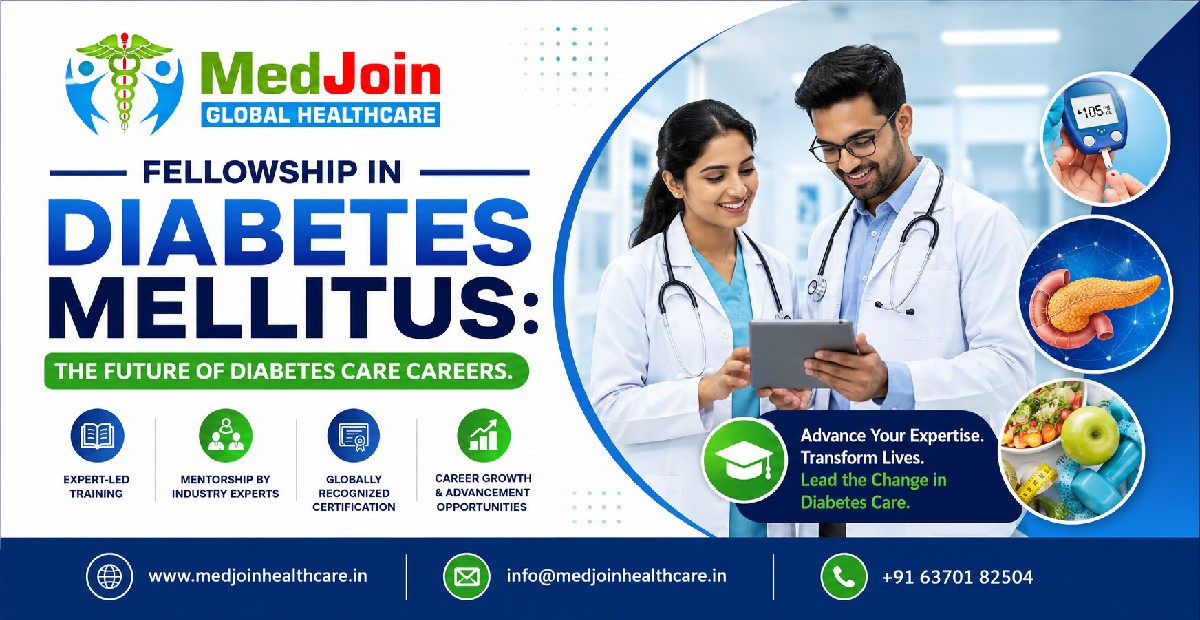
As a result, a Fellowship in Diabetes Mellitus has become one of the most sought-after career advancement programs for doctors. Physicians from various specialties, including General Medicine, Family Medicine, Internal Medicine, and Community Health, are increasingly enrolling in fellowship programs to strengthen their clinical skills and improve patient outcomes.
This article explores why a Fellowship in Diabetes Mellitus is trending among doctors and how it can transform medical careers.
Understanding the Growing Burden of Diabetes
Diabetes Mellitus is no longer considered a disease affecting only a small segment of the population. It has become a major public health concern worldwide.
According to global health estimates:
- Millions of people are living with diabetes worldwide.
- The prevalence continues to increase due to sedentary lifestyles.
- Obesity rates are contributing significantly to diabetes incidence.
- Developing countries are witnessing an alarming rise in diabetes cases.
- Younger populations are increasingly being diagnosed with Type 2 Diabetes.
In countries like India, diabetes has become one of the most significant healthcare challenges. Urbanization, changing dietary habits, stress, and reduced physical activity have accelerated the growth of diabetes cases.
This surge has created an urgent need for doctors who possess advanced knowledge and specialized skills in diabetes management.
Why Doctors Are Choosing Specialized Training
Medical education provides foundational knowledge about diabetes. However, managing diabetes in real-world clinical settings requires far more comprehensive expertise.
Patients often present with:
- Multiple coexisting diseases
- Complex medication regimens
- Lifestyle-related complications
- Cardiovascular risks
- Kidney disorders
- Neuropathy
- Retinopathy
A Fellowship in Diabetes Mellitus equips doctors with advanced training that goes beyond conventional medical education.
Doctors are increasingly realizing that specialization helps them:
- Improve patient outcomes
- Build professional credibility
- Expand career opportunities
- Stay updated with modern treatment guidelines
Rising Demand for Diabetes Specialists
One of the major reasons behind the growing popularity of diabetes fellowships is the increasing demand for specialists.
Healthcare institutions are actively seeking professionals who can:
- Diagnose diabetes early
- Manage complex cases
- Prevent complications
- Educate patients
- Implement evidence-based treatment plans
Hospitals, clinics, diagnostic centers, and wellness organizations recognize the value of trained diabetes specialists.
Doctors with specialized diabetes training often enjoy enhanced career prospects compared to general practitioners without advanced certification.
Expanding Career Opportunities
A Fellowship in Diabetes Mellitus opens multiple career pathways.
Clinical Practice
Doctors can establish themselves as diabetes care experts and attract a broader patient base.
Hospital-Based Roles
Many hospitals prefer fellowship-trained professionals for diabetes clinics and endocrinology support services.
Multispecialty Healthcare Centers
Diabetes management is closely linked with cardiology, nephrology, ophthalmology, and neurology.
Specialized doctors often become integral members of multidisciplinary teams.
Academic Opportunities
Doctors with fellowship qualifications may participate in:
- Teaching programs
- Medical workshops
- CME activities
- Research projects
Telemedicine and Digital Healthcare
The rapid growth of telehealth has created new opportunities for diabetes specialists to provide consultations remotely.
The Need for Advanced Clinical Skills
Modern diabetes care has become increasingly sophisticated.
New developments include:
- Continuous glucose monitoring systems
- Insulin pumps
- Advanced insulin therapies
- Personalized treatment plans
- Artificial intelligence in diabetes management
Doctors must understand how to integrate these technologies into patient care.
A fellowship program provides practical exposure to these evolving tools and treatment approaches.
Hands-On Clinical Training
One of the strongest attractions of fellowship programs is hands-on clinical exposure.
Unlike traditional theoretical learning, fellowship programs often provide:
- Real patient interactions
- Case-based discussions
- Clinical decision-making experience
- Practical management strategies
Doctors learn to handle:
- Newly diagnosed diabetes
- Gestational diabetes
- Pediatric diabetes
- Diabetes emergencies
- Complicated diabetes cases
This practical training significantly boosts confidence and competence.
Better Management of Diabetes Complications
Diabetes affects nearly every organ system.
Complications include:
Cardiovascular Disease
Patients with diabetes face a significantly higher risk of heart attacks and strokes.
Kidney Disease
Diabetic nephropathy remains a leading cause of chronic kidney disease.
Neuropathy
Nerve damage can severely impact quality of life.
Retinopathy
Diabetes is a major cause of preventable blindness.
Diabetic Foot
Foot complications can lead to disability and amputation.
A fellowship enables doctors to recognize and manage these complications effectively.
Growing Awareness Among Patients
Today's patients are more informed than ever.
Many actively seek doctors with specialized qualifications.
A Fellowship in Diabetes Mellitus helps doctors establish:
- Professional credibility
- Patient trust
- Clinical authority
Patients often prefer specialists who demonstrate advanced expertise in managing chronic conditions.
Improved Patient Outcomes
The ultimate goal of healthcare is improving patient outcomes.
Specialized diabetes training helps doctors:
- Achieve better glycemic control
- Reduce complications
- Improve treatment adherence
- Enhance patient education
Better outcomes lead to higher patient satisfaction and stronger professional reputation.
Increasing Focus on Preventive Healthcare
Healthcare is gradually shifting from disease treatment to disease prevention.
Diabetes prevention has become a priority globally.
Doctors trained in diabetology can help patients:
- Identify risk factors
- Adopt healthier lifestyles
- Prevent disease progression
- Delay complications
This preventive approach aligns perfectly with modern healthcare goals.
Integration with Other Medical Specialties
Diabetes management intersects with numerous specialties.
Cardiology
Many diabetic patients have cardiovascular disease.
Nephrology
Kidney complications require coordinated management.
Ophthalmology
Retinal screening is essential.
Neurology
Neuropathy requires specialized attention.
Obstetrics
Gestational diabetes affects maternal and fetal health.
Doctors with fellowship training can collaborate effectively across specialties.
Research Opportunities
Diabetes remains an active area of medical research.
Specialized training enables doctors to contribute to:
- Clinical trials
- Epidemiological studies
- Public health initiatives
- Treatment innovations
Research involvement enhances professional growth and academic recognition.
Keeping Pace with Emerging Therapies
The field of diabetology evolves rapidly.
New drug classes include:
- GLP-1 receptor agonists
- SGLT2 inhibitors
- Advanced insulin analogs
Doctors must stay updated on:
- Clinical guidelines
- Safety profiles
- Treatment algorithms
A fellowship provides structured exposure to the latest advancements.
Enhancing Professional Recognition
Professional qualifications play an important role in career advancement.
A Fellowship in Diabetes Mellitus demonstrates:
- Commitment to continuous learning
- Specialized expertise
- Clinical competence
This distinction often enhances credibility among peers, employers, and patients.
Opportunities in Rural and Underserved Areas
Many regions face a shortage of diabetes specialists.
Doctors with fellowship training can make a significant impact by:
- Improving access to care
- Conducting awareness programs
- Managing community diabetes clinics
Such contributions support public health goals while expanding professional opportunities.
The Role of Fellowship Programs in Career Growth
A fellowship serves as a bridge between general medical education and specialized clinical expertise.
Benefits include:
- Structured learning
- Practical training
- Expert mentorship
- Career advancement
- Increased confidence
Many doctors view fellowship training as an investment in their long-term professional development.
Why the Trend Is Expected to Continue
Several factors suggest that demand for diabetes fellowships will continue to grow:
- Rising diabetes prevalence
- Aging populations
- Increased obesity rates
- Growing healthcare awareness
- Expanding treatment options
- Greater emphasis on preventive medicine
Healthcare systems worldwide will require more doctors trained in diabetes management
A Fellowship in Diabetes Mellitus has emerged as one of the most valuable professional development opportunities for doctors. As diabetes continues to affect millions globally, the need for skilled healthcare professionals capable of delivering comprehensive diabetes care is increasing rapidly.
Through advanced clinical training, hands-on experience, exposure to modern treatment approaches, and enhanced career opportunities, fellowship programs empower doctors to become leaders in diabetes management. Whether the goal is improving patient outcomes, expanding career prospects, or staying at the forefront of modern medicine, a Fellowship in Diabetes Mellitus offers a pathway to long-term professional success.
For doctors seeking to future-proof their careers while making a meaningful impact on public health, pursuing a Fellowship in Diabetes Mellitus is becoming not just a trend—but a strategic career decision.