
We Build Building and Great Constructive Homes.
We successfully cope with tasks of varying complexity, provide long-term guarantees and regularly master new technologies.
Course Description
The Fellowship in Diabetes Mellitus has been meticulously designed by leading diabetologists to provide comprehensive knowledge on the clinical features, screening, diagnosis, and an introduction to pharmacological treatments for diabetes. The program also covers the latest trends and best practices in diabetes management.
With live and recorded virtual classes, you can conveniently attend sessions from your home or workplace. Engaging live case discussions offer a platform to interact with faculty and clarify doubts. As a diabetes specialist, you will have the expertise to improve the lives of millions of patients. In India alone, diabetes affects 77 million people, with projections indicating a rise to 134 million by 2045. Given its widespread impact, your role as a qualified doctor will be crucial in preventing diabetes-related complications within your community.
To enhance learning, we have partnered with book publishers to provide students with access to credible and up-to-date content, including case studies, books, videos, and other valuable learning resources focused on the latest advancements in diabetology.
Fellowship in Diabetes Mellitus (diabetology) is an advanced training program designed for healthcare professionals to enhance their expertise in diabetes management. This specialized course covers the latest advancements in diabetes care, including diagnosis, treatment, complications, and lifestyle modifications. Fellows gain hands-on experience in managing complex cases, insulin therapy, continuous glucose monitoring, and emerging therapies. The program equips doctors with in-depth knowledge to provide personalized patient care and improve outcomes. It is ideal for physicians, endocrinologists, and healthcare providers aiming to specialize in diabetes care. A fellowship in diabetology enhances clinical skills, research opportunities, and career growth in endocrinology and diabetology.
Program Highlights:
- 12 Months of online classes which includes 3-4 months of Clinical Observership in a leading hospital under the guidance of a Diabetologist.
- Classes by experienced faculties
- Flexible learning mode
- Live doubt clearing sessions
- Educator support through LMS
- Periodic Webinars
- Scholarship available for deserving candidates (conditions apply)
- Emphasis on leadership, ethics, and professional growth
Upon successful completion, you will be able to:-
- Gain in-depth knowledge of the pathophysiology, classification, and epidemiology of diabetes mellitus.
- Develop expertise in diagnosing and managing different types of diabetes, including Type 1, Type 2, and gestational diabetes.
- Understand the role of lifestyle interventions, pharmacotherapy, and emerging treatment modalities.
- Learn to prevent, diagnose, and manage acute and chronic complications of diabetes.
- Enhance skills in diabetes education, patient counseling, and behavioral interventions.
- Explore the latest technologies in diabetes care, including continuous glucose monitoring (CGM) and insulin pump therapy.
- Understand the interdisciplinary approach to diabetes management, including endocrinology, cardiology, nephrology, and nutrition.
Course Highlight
Modules Comprehensive modules covering various aspects of nutrition & dietetics.
Assessments Quizzes, assignments to test your knowledge and skills.
Certification Certified Nutritionist credential upon completion.
Key Features
Cutting-Edge Research & Innovation
Our program is at the forefront of diabetes research, offering fellows access to the latest advancements in treatment, technology, and clinical trials.
Expert Faculty & Mentorship
Learn from internationally recognized endocrinologists, diabetologists, and researchers dedicated to mentorship and hands-on training.
Comprehensive Clinical Exposure
Experience managing a diverse patient population with Type 1, Type 2, and gestational diabetes, as well as rare metabolic disorders.
State-of-the-Art Facilities
Train in a world-class diabetes center equipped with the latest diagnostic tools, insulin delivery systems, and continuous glucose monitoring technologies.
Multidisciplinary Approach
Collaborate with specialists in cardiology, nephrology, ophthalmology, and nutrition to provide holistic diabetes care.
Focus on Personalized Medicine
Gain expertise in precision diabetes management, including genetic testing and AI-driven treatment protocols.
Opportunities for Global Impact
Participate in international collaborations, public health initiatives, and outreach programs aimed at diabetes prevention and education.
Career Advancement & Networking
Benefit from strong industry connections, conference opportunities, and career support to become a leader in the field of diabetes management.
Course Structure
- Brief history of Diabetes
- Definition and Classification of Diabetes
- Epidemiology of Diabetes (Overview)
- Introduction To Glucose Physiology
- Sources Of Blood Glucose In Normal Physiology
- Regulation Of Blood Glucose Levels
- Pancreatic Physiology In Normal Glucose Regulation
- Insulin: The Central Hormone Of Glucose Homeostasis
- Role Of Major Organs In Normal Glucose Utilization
- Lipid And Protein Metabolism In Normal Glucose Physiology
- Pancreatic morphology and islet cell functioning
- Insulin: Structure, Biosynthesis, secretion and action
- Glucagon: Biosynthesis, secretion and action
- Incretins: Physiology in health and diabetes
- Genetics of diabetes
- Type 1 diabetes – Pathogenesis
- Type 2 diabetes – Pathogenesis
- Pre-diabetes
- Latent autoimmune diabetes in adults (LADA)
- Overview
- Clinical Presentation Of Diabetes
- Screening And Diagnosis Of Diabetes
- Comprehensive Medical Evaluation
- Modern Classification Of Diabetes
- Risk Stratification And Cardiovascular Assessment In Diabetes
- Emerging Technologies In Diabetes Diagnosis (Cgm, Metabolomics, Ai Screening Tools).
- Glycemic Targets And Individualized Treatment Goals
- Monitoring Of Glycemic Control (Smbg, Cgm, And Laboratory Markers).
- Aims of Diabetes Care
- Advanced Diabetes Technology
- Diabetes Education
- Lifestyle Changes in Diabetes: Diet
- Lifestyle Changes in Diabetes: Exercise
- Pharmacological Agents for Diabetes
- Management of Diabetes Overview Of Guidelines
- Guideline Based Management of Diabetes
- Detailed Review and Safety
- Diabetes Prevention and Prediabetes Management
- Evidence Review of Therapeutic Agents, Effectiveness
- Case Studies in Advanced Diabetes Management
- Case Studies:
a. Newly diagnosed type 1 diabetes
b. Poorly controlled Type 1 diabetes
c. Newly diagnosed type 2 diabetes
d. Poorly controlled type 2 diabetes on 1 oral medication
e. Poorly controlled type 2 diabetes on 2 oral medications
f. Various Insulin regimens Diabetes Monitoring In-Hospital Treatment and Surgery in People with Diabetes
Acute Complications of Diabetes:
a. Hypoglycaemia of diabetess
b. Diabetes ketoacidosis
c. Hyperglycaemic hyper osmolar-coma
Microvascular Complications of Diabetes:
a. Diabetic Neuropathy
b. Diabetic Nephropathy
c. Diabetic Retinopathy
Macrovascular Complications of Diabetes:
a. Cardiovascular complications
b. Hypertension
c. Dyslipidaemia
d. Cerebrovascular complications
e. Peripheral vascular complications
Acute Complications of Diabetes:
a. Hypoglycaemia of diabetess
b. Diabetes ketoacidosis
c. Hyperglycaemic hyper osmolar-coma
Other Complications of Diabetes:
a. Diabetic foot and dermopathy
b. Social and psychocological problems in diabeties
- Diagnostic tests: fasting glucose, oral glucose tolerance test (OGTT), HbA1c.
- Criteria for diagnosis of diabetes and prediabetes.
- Monitoring tools: self-monitoring of blood glucose (SMBG), continuous glucose monitoring (CGM).
- Classes of antidiabetic drugs: insulin, oral hypoglycemics, GLP-1 receptor agonists, SGLT2 inhibitors.
- Principles of individualized therapy based on patient profile.
- Emerging treatments and technology in diabetes care.
- Basics of endocrine system structure and function.
- Hormonal regulation relevant to glucose metabolism.
- Disorders affecting endocrine glands influencing diabetes.
- Advanced endocrine disorders impacting glucose homeostasis.
- Interactions between diabetes and other hormonal diseases.
- Endocrine aspects of metabolic syndrome and obesity.
- Differences in diabetes presentation in children vs adults.
- Genetic and autoimmune causes of pediatric diabetes.
- Special considerations in management of pediatric diabetes.
- Strategies for insulin therapy and glucose monitoring.
- Managing lifestyle, diet, and preventing complications.
- Psychosocial support and patient education for long-term control.
- Video: Overview of Diabetic Ketoacidosis
- Pathophysiology and Etiology of DKA
- Clinical Presentation and Diagnostic Evaluation
- Management of DKA: Acute Interventions
- Long-term Management and Prevention of Recurrence
- MCQs: Case Scenario
- Medical Nutrition Therapy (MNT)
- Physical Activity Recommendations
- Behavioral and Lifestyle Modifications
- Importance of DSMES in Diabetes Care
- Components of DSMES Programs
- Strategies for Patient Engagement and Empowerment
- Evaluation of DSMES Program Effectiveness
Eligibility
- BAMS/BHMS/Ayush/BUMS
- MBBS Graduates.
- Applicants who are in their final year can also apply.
- MD/DNB/FNB & residents working in healthcare.
- Physicians (General Practitioners, Endocrinologists, Internists)
- Diabetes Educators & Dietitians
- Nurses & Nurse Practitioners
- Parmacists
Course Fee
Course Fee ₹155,000.00
Registration Fee ₹10,000.00
Total Fee ₹145,000.00
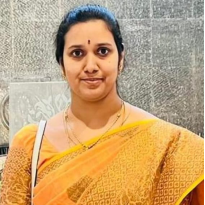
DR. KATIKANENI, SAI SHREYA
M.D. General Physician, Moscow, Russia) M.sc. Multi-disciplinary Radiology, Ireland) Advanced PG in Cardiology (Harvard)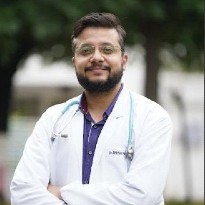
Dr. Ayush Pandey
MBBS, MD (Medicine) FRSPH (London)
- Allergy and Asthma, AASC (USA) Fellowship Critical Care, USA (FCCS.
- Specialised in Respiratory Medicine
- Fellowship in Internal Medicine (FIM)
- FNIV (Fellowship in Critical Care)(Spain)
- FNCC (Fellowship in Nephrology)
- FEM (Fellowship in Emergency Medicine)
- Certified Diabetes Educator (CDE)
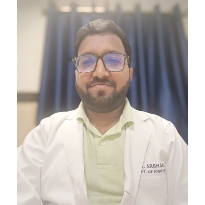
Dr. Arshan Ali
MBBS(MAMC)|MDAnaesthesia &Critical Care (LHMC) | EDAIC Senior Resident– Anaesthesiology, Lady Hardinge Medical College & Hospital Member - EDAIC– European Diploma in Anaesthesiology and Intensive Care (ESAIC) Member - Indian Society of Anaesthesiologists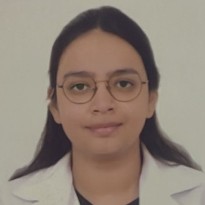

This course includes:
₹165,000.00
₹145,000.00
(including registration fees of 10,000.00)
Why Choose Us
Because your growth deserves nothing but the best in medical education.

Expert-Driven Curriculum
Our program is designed in collaboration with leading healthcare professionals to ensure you receive the most up-to-date and relevant education.

Flexible Learning Environment
Access course materials online anytime, allowing you to balance your studies with your professional and personal commitments.

Comprehensive Support
Benefit from continuous support from experienced tutors and academic advisors dedicated to your success

Interactive Learning
Engage with a variety of interactive learning tools, including real-life case studies, practical assignments, and virtual simulations.

Networking Opportunities
Connect with a diverse community of learners and professionals, providing valuable networking opportunities and peer support

Affordable Education
We offer competitive pricing with flexible payment plans and financial aid options to make your education more accessible.

Recognized Certification
Obtain a certification that is respected and recognized in the healthcare industry, enhancing your professional credentials and career prospects

Career Support
Beyond education, we provide comprehensive career guidance, job placement assistance guarantee, and ongoing professional development support.
What Our Allumini Saying
Discover How MedJoin Global Healthcare Is Transforming Careers Worldwide.
MedJoin Global offers quality content, engaging live sessions, expert faculty interaction, and prompt issue resolution. Highly recommended platform!


MedJoin Global delivers quality content, live sessions, expert faculty interaction, and quick support. Honored to pursue diabetes fellowship here.

MedJoin offers exceptional services, including expert faculty interaction and prompt support. It’s an honor to pursue a diabetes fellowship here.

Frequently Asked Questions
The Fellowship in Diabetes Mellitus is an advanced training program designed for healthcare professionals who wish to specialize in diabetes management. The program covers in-depth knowledge of diabetes diagnosis, treatment, complications, and patient care strategies.
Eligibility criteria vary by institution, but generally, the following professionals can apply:
- MBBS or equivalent medical degree holders
- MD, DNB, or postgraduate diploma holders in Internal Medicine, Family Medicine, or Endocrinology
- General practitioners with relevant experience in diabetes management
- BAMS/BHMS
The duration of the fellowship varies but typically ranges from 6 months to 1 year, depending on the curriculum and training structure. Some programs may offer flexible part-time or online learning options.
The fellowship program covers a wide range of topics, including:
- Pathophysiology and classification of diabetes
- Diagnosis and screening guidelines
- Pharmacological and non-pharmacological management
- Insulin therapy and newer treatment modalities
- Management of diabetes complications (neuropathy, nephropathy, retinopathy, etc.)
- Lifestyle modifications and patient education
- Diabetes technology, including CGM and insulin pumps
- Special populations: gestational diabetes, elderly patients, and pediatric diabetes
Recognition depends on the institution offering the fellowship. Some programs are accredited by medical councils, universities, or professional associations, while others are recognized by private medical institutions and hospitals.
Graduates of the fellowship program can:
- Gain expertise in diabetes management and patient care
- Enhance career prospects in hospitals, clinics, and research institutions
- Improve clinical practice with the latest evidence-based approaches
- Qualify for leadership roles in diabetes care programs
Many institutions offer both online, hybrid, and in-person fellowship options. Online programs are suitable for working professionals, while in-person fellowships provide hands-on clinical exposure.
The application process typically involves:
- Submitting an application form with academic and professional credentials
- Providing a statement of purpose and letters of recommendation (if required)
- Attending an interview (if applicable)
- Paying the required application and tuition fees
Yes, most fellowship programs include periodic assessments, case studies, and a final examination (theoretical and practical) to evaluate the candidate’s knowledge and skills.
After completing the fellowship, professionals can work in:
- Hospitals and diabetes specialty clinics
- Endocrinology and metabolic disease centers
- Research and academic institutions
- Telemedicine and digital healthcare platforms
- Pharmaceutical and medical device companies
The cost varies depending on the institution, duration, and format (online/in-person). Fees typically range from $1,000 to $10,000, with some programs offering scholarships or financial aid.
Interested candidates should visit the official website of the institution offering the fellowship or contact the admissions office for detailed information on curriculum, fees, and application deadlines.
Sign up today and be the first to
access our exclusive offers
MedJoin Global Healthcare is an online learning platform designed to foster interaction and knowledge exchange among participants. Through discussion forums, live webinars, and virtual networking events, learners can connect with peers worldwide.
- SK 30, Sector 116, Noida, Uttar Pradesh 201301
- +91 63701 82504
- info@medjoinhealthcare.in
We Accept Payments Using: