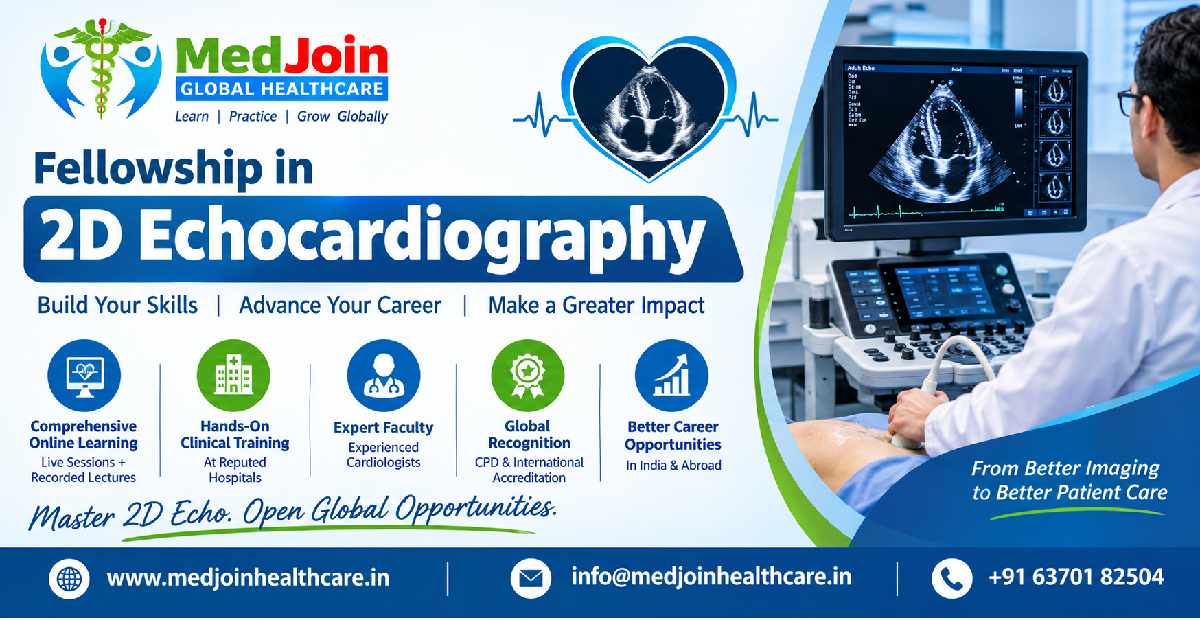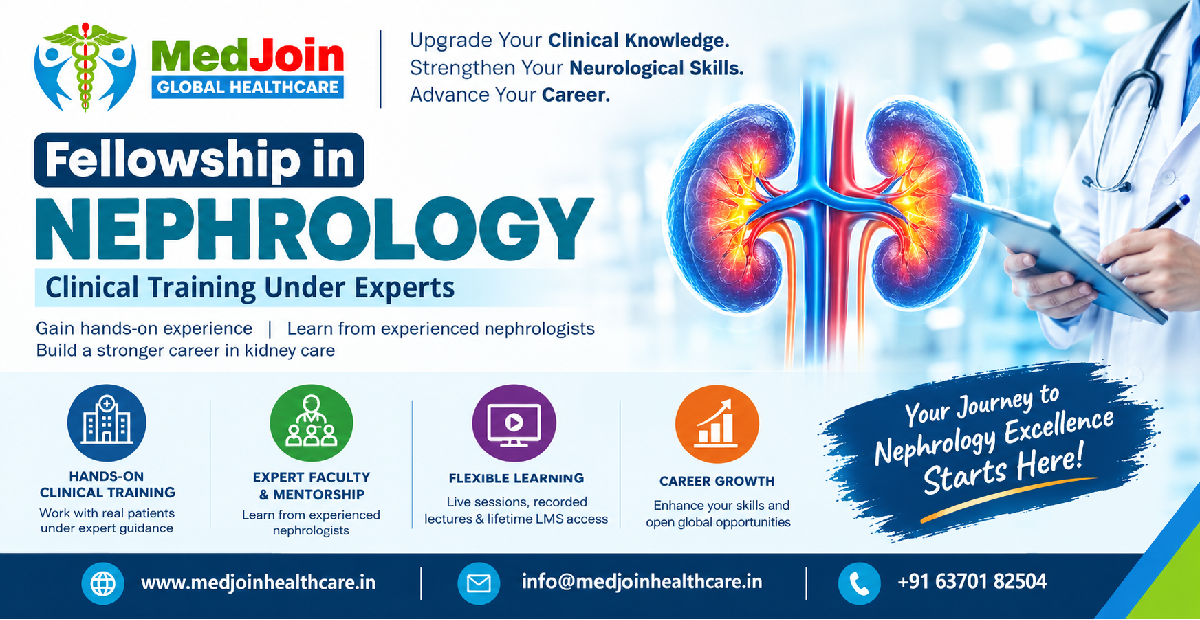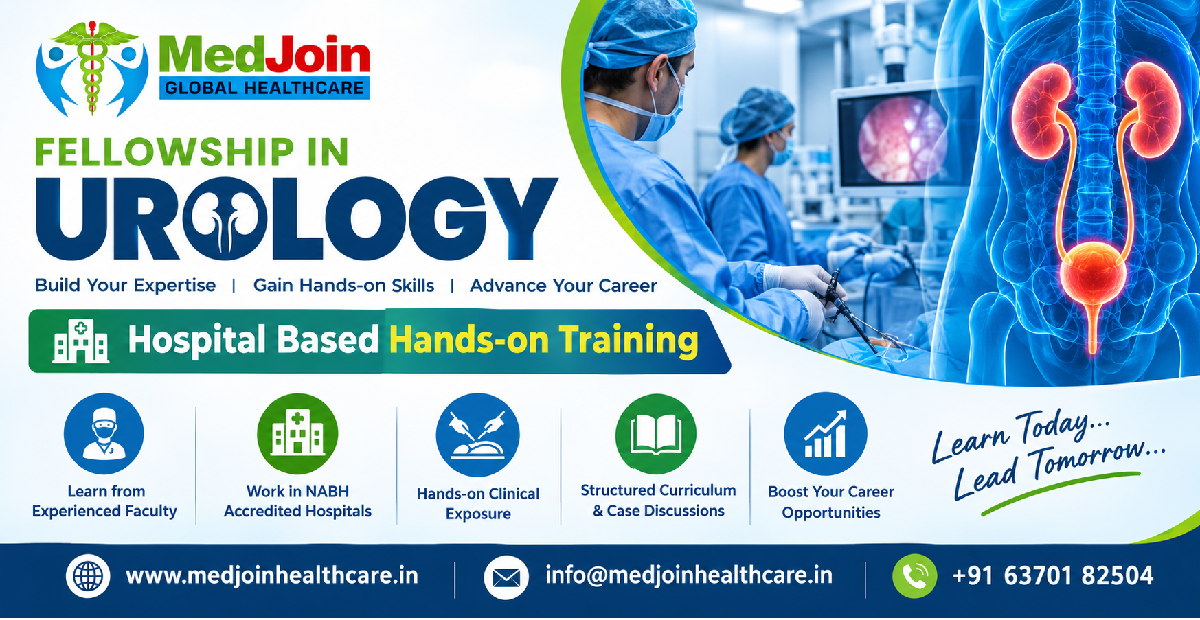

Choosing whether to pursue a fellowship after MBBS is one of the most consequential decisions in a doctor’s early career. The answer isn’t a simple yes or no—it depends on your goals, finances, specialty interest, and how you want your career to evolve over the next decade. What follows is a comprehensive, grounded exploration to help you make a clear-eyed decision.
Understanding the Landscape After MBBS
After completing an MBBS degree, most doctors face a fork in the road:
- Prepare for postgraduate (PG) entrance exams (e.g., MD/MS/DNB in India)
- Enter clinical practice (often as a junior resident or medical officer)
- Explore non-clinical pathways (public health, research, hospital administration)
- Enroll in a fellowship program (short-term, skill-focused training)
A fellowship is typically a structured, short-duration (3 months to 2 years) program that builds hands-on clinical skills in a focused area—often more practical and less exam-centric than traditional PG routes.
What Exactly Is a Fellowship Program?
A fellowship is an advanced, specialized training program designed to bridge the gap between theory and clinical practice. It may be offered by:
- Private hospitals and training institutes
- Universities and academic centers
- Online + offline hybrid medical education platforms
Common fellowship domains include:
- Emergency Medicine
- Critical Care
- Diabetology
- Cardiology (non-interventional/basic)
- Pediatrics subspecialties
- Aesthetic Medicine
- Radiology (ultrasound, CT basics)
Unlike MD/MS, fellowships are not always recognized as formal degrees by national medical councils, but they can still be highly valuable for skill development and employability.
Why MBBS Doctors Consider Fellowships
a) Limited PG Seats & High Competition
In countries like India, PG seats are limited relative to the number of MBBS graduates. Many doctors spend years preparing for entrance exams without clinical progression.
b) Desire for Early Clinical Exposure
Fellowships offer immediate patient interaction and procedural experience—something exam preparation alone doesn’t provide.
c) Need for Financial Stability
Many fellowships offer stipends or lead to quicker employment opportunities.
d) Career Direction Clarity
They help doctors test a specialty before committing to a full MD/MS.
Types of Fellowship Programs
Clinical Fellowships
Focused on patient care and procedures
Example: Emergency Medicine, ICU training
Procedural Fellowships
Hands-on technical training
Example: Ultrasound, Endoscopy
Academic/Research Fellowships
Research methodology, publications
Hybrid Fellowships
Online learning + hospital-based training
Advantages of Doing a Fellowship After MBBS
Faster Skill Acquisition
Fellowships emphasize practical learning—you gain real-world clinical skills quickly.
Early Career Start
Instead of waiting years for PG admission, you can start working and earning sooner.
Increased Employability
Hospitals often prefer candidates with specialized skills over general MBBS graduates.
Confidence Building
Hands-on exposure significantly improves decision-making and patient handling.
Opportunity to Explore Specialties
You can “test” cardiology, pediatrics, or emergency medicine before committing long-term.
Limitations and Challenges
Recognition Issues
Not all fellowships are recognized by official medical councils.
Limited Scope Compared to MD/MS
Certain senior roles and academic positions require formal PG degrees.
Quality Variability
Programs differ widely in quality—some offer excellent training, others are mostly theoretical.
Financial Cost
Some fellowships require significant fees.
Fellowship vs MD/MS: A Real Comparison
| Aspect | Fellowship | MD/MS |
|---|---|---|
| Duration | 3 months – 2 years | 3 years |
| Focus | Practical skills | Theory + clinical |
| Recognition | Variable | Fully recognized |
| Entry | Easy to moderate | Highly competitive |
| Cost | Moderate to high | Govt seats low cost |
| Career Growth | Faster start | Higher long-term ceiling |
Bottom line:
- Fellowship = speed + skills
- MD/MS = status + long-term growth
Career Opportunities After Fellowship
After completing a fellowship, MBBS doctors can work as:
- Junior Specialist Doctors
- ICU Medical Officers
- Emergency Physicians
- Clinic Consultants
- Telemedicine Specialists
- Assistant Consultants in hospitals
You may also:
- Open a clinic (depending on local regulations)
- Work in corporate hospitals
- Join startups in digital health
Salary Expectations
Salary depends on:
- Specialty
- City tier
- Hospital type
- Experience
Typical range in India:
- Fresh MBBS: ₹30,000 – ₹60,000/month
- After Fellowship: ₹50,000 – ₹1.2 lakh/month
- With experience: ₹1.5 – ₹3 lakh/month
When Is a Fellowship Worth It?
A fellowship is worth it if:
- You want hands-on skills quickly
- You are waiting for PG but don’t want to waste time
- You need financial independence early
- You want to explore a specialty before committing
- You prefer clinical exposure over exam preparation
When It May NOT Be Worth It
- If your goal is becoming a senior consultant in a top hospital
- If you want a teaching or academic career
- If you are fully committed to clearing PG entrance exams soon
- If the fellowship is from an unreliable or unrecognized institute
How to Choose the Right Fellowship
Check Accreditation
Ensure the institute is reputable.
Look for Hands-On Training
Avoid purely theoretical courses.
Evaluate Faculty
Experienced mentors matter.
Hospital Tie-Ups
Real patient exposure is critical.
Alumni Feedback
Talk to past students.
Popular Fellowship Specialties for MBBS Doctors
- Emergency Medicine
- Critical Care
- Diabetology
- Cardiology (basic/intermediate)
- Pediatrics
- Obstetrics & Gynecology
- Dermatology & Aesthetic Medicine
Real-Life Career Pathways
Path 1: Fellowship → Job → PG Later
Gain experience, earn money, then pursue MD/MS.
Path 2: Fellowship → Long-Term Practice
Build expertise and continue working in that domain.
Path 3: Multiple Fellowships
Stack skills (e.g., ICU + Emergency Medicine).
Myths About Fellowships
Myth: Fellowships are useless without MD/MS
Reality: They significantly improve employability and skills
Myth: Only weak students choose fellowships
Reality: Many strategic doctors use fellowships to gain an edge
Myth: No career growth after fellowship
Reality: Growth depends on skills, experience, and networking
The Future of Fellowship Programs
With healthcare evolving rapidly:
- Demand for skilled practitioners is rising
- Hospitals value competency over degrees (in certain roles)
- Online + hybrid fellowships are expanding
- Super-specialization is becoming the norm
Final Verdict: Is It Worth It?
A fellowship is absolutely worth it if used strategically—not as a replacement for PG, but as a career accelerator.
Think of it as:
- A launchpad, not the final destination
- A skill enhancer, not just a certificate
- A career experiment tool, not a compromise
Practical Decision Framework
Ask yourself:
- Do I want clinical exposure now or later?
- Can I afford to wait for PG?
- Do I know my specialty interest?
- Am I choosing a high-quality fellowship?
- What is my 5-year career goal?
If your answers align with skill-building + early career growth, then a fellowship is a smart move.
MedJoin Global Healthcare: Connecting Doctors to Global Fellowship Opportunities
In today’s rapidly evolving healthcare landscape, an MBBS degree alone is often not sufficient to ensure long-term career growth, specialization, and global recognition. Medical professionals are increasingly seeking advanced training pathways that combine clinical exposure, specialization, and international opportunities. One such pathway gaining massive popularity is the fellowship program—especially when offered through platforms like MedJoin Global Healthcare.
MedJoin Global Healthcare has emerged as a modern EdTech-driven medical education platform that bridges the gap between academic learning and real-world clinical practice. It enables doctors—particularly MBBS graduates—to access online and hybrid fellowship programs while also opening doors to international exposure in countries like South Africa, Tanzania, Afghanistan, UAE, Dubai, Canada, and more.
This comprehensive content explores how MedJoin Global Healthcare helps doctors join fellowship programs abroad, its structure, benefits, countries involved, and why it is becoming a preferred choice for thousands of healthcare professionals.
What is MedJoin Global Healthcare?
MedJoin Global Healthcare is an innovative healthcare education platform based in India that provides online fellowship programs, certification courses, and career support for doctors and healthcare professionals.
Unlike traditional medical education systems, MedJoin integrates:
- Online learning modules
- Live webinars and mentorship
- Virtual simulations and case-based learning
- Clinical observerships and hospital training
The platform is designed to be flexible, accessible, and globally relevant, allowing doctors to upskill without leaving their jobs.
Key Highlights:
- Fully online and hybrid fellowship programs
- Globally recognized certifications
- Career and placement support
- Networking with international medical professionals
- Affordable and flexible fee structures
Understanding Fellowship Programs for Doctors
A fellowship is a postgraduate medical training program that focuses on specialization and advanced clinical skills.
Unlike general medical training, fellowships offer:
- Focused expertise in a specific specialty
- Hands-on clinical experience
- Research opportunities
- Exposure to advanced medical technologies
Popular Fellowship Specializations:
- Cardiology
- Critical Care Medicine
- Dermatology
- Emergency Medicine
- Pediatrics
- Diabetology
- Radiology
- Family Medicine
These programs typically last 6 months to 2 years and can be pursued online, offline, or in hybrid formats.
Why Choose Online Fellowship Programs?
The concept of online fellowship programs has revolutionized medical education.
Advantages:
1. Flexibility
Doctors can study at their own pace while continuing clinical practice.
2. Accessibility
No need to relocate—learn from anywhere in the world.
3. Cost-Effective
Saves expenses related to travel, accommodation, and relocation.
4. Global Networking
Interact with doctors and mentors across countries.
5. Hybrid Opportunities
Combine online learning with short-term international clinical exposure.
MedJoin’s online system includes discussion forums, webinars, and peer interaction, making it highly interactive.
MedJoin Global’s Model: Learn, Practice, Earn, and Get Placed
One of the standout features of MedJoin Global Healthcare is its career-integrated fellowship model.
The Journey:
- Enroll in Fellowship Program
- Start Learning (Online + Clinical Exposure)
- Gain Hands-On Training
- Earn Stipend (in some programs)
- Get Placement Support or Job Opportunities
This structured approach helps doctors transition smoothly from education to employment.
Countries Offering Fellowship Opportunities
MedJoin Global connects doctors to international opportunities across multiple regions. Let’s explore key countries:
South Africa
- Strong healthcare system with exposure to diverse disease profiles
- Ideal for training in infectious diseases, trauma, and emergency medicine
- Opportunities in public and private hospitals
Benefits:
- High clinical exposure
- Affordable training options
- Hands-on patient care
Tanzania
- Rapidly developing healthcare infrastructure
- High demand for skilled doctors
Opportunities:
- Community medicine
- Rural healthcare exposure
- Public health programs
Doctors gain real-world experience in resource-limited settings, improving clinical decision-making.
Afghanistan
- Unique exposure to conflict medicine and emergency care
- Opportunities for humanitarian healthcare roles
Key Learning:
- Trauma care
- Emergency response
- Critical care management
UAE & Dubai
Use entity reference:
- Dubai
- United Arab Emirates
Why UAE?
- Advanced healthcare infrastructure
- Tax-free salary opportunities
- International patient exposure
Fellowship Benefits:
- Exposure to cutting-edge technology
- Multicultural patient base
- High-paying job prospects
Canada
- Globally recognized healthcare system
- High standards of medical practice
Opportunities:
- Research fellowships
- Clinical observerships
- Specialty training
Requirements:
- Licensing exams (e.g., MCCQE)
- English proficiency tests
Types of Fellowship Programs Offered
MedJoin provides diverse fellowship formats:
1. Clinical Fellowship
- Hospital-based training
- Direct patient interaction
2. Online Fellowship
- Virtual learning modules
- Case-based discussions
3. Hybrid Fellowship
- Online + international exposure
4. Research Fellowship
- Academic and research-focused
5. Observership Programs
- Short-term international exposure
These options make fellowships accessible even to fresh MBBS graduates.
Eligibility Criteria
To enroll in MedJoin Global fellowship programs:
- MBBS degree (mandatory)
- Medical registration
- 1–2 years of experience (preferred)
- English proficiency (for abroad programs)
- Updated CV and documents
Some programs do not require MD/MS, making them highly accessible.
Key Features of MedJoin Fellowship Programs
Global Recognition
Certificates are accepted internationally, improving job prospects.
Hands-On Training
Focus on real clinical exposure, not just theory.
Placement Support
Some programs offer 100% placement assistance.
Stipend Opportunities
Doctors may earn while learning.
Expert Mentorship
Training under experienced specialists.
Networking
Connect with global healthcare professionals.
Career Opportunities After Fellowship
After completing a fellowship, doctors can pursue:
1. Specialist Roles
- Consultant physician
- Specialist practitioner
2. International Practice
- Work abroad (subject to licensing exams)
3. Academic Career
- Teaching roles
- Research positions
4. Private Practice
- Start specialized clinics
5. Higher Education
- Advanced fellowships or PhD
Why Fellowship Programs Are Essential Today
Modern healthcare demands specialization and continuous learning.
Key Reasons:
- Increasing competition among doctors
- Need for advanced clinical skills
- Demand for specialized care
- Globalization of healthcare
Fellowships help doctors stay relevant, skilled, and competitive.
Challenges and Considerations
While fellowship programs offer numerous benefits, doctors should consider:
1. Accreditation
Ensure the program is recognized.
2. Licensing Requirements
Each country has different medical licensing rules.
3. Cost
International programs may involve additional expenses.
4. Clinical Exposure Quality
Choose programs with real hands-on training.
Future of Online Medical Fellowships
The future of medical education is shifting towards:
- Digital learning platforms
- AI-driven medical training
- Virtual simulations
- Global collaboration
Platforms like MedJoin Global Healthcare are leading this transformation by making global medical education accessible to all.
MedJoin Global Healthcare has positioned itself as a powerful bridge between Indian doctors and global medical opportunities. By offering online and hybrid fellowship programs, it enables doctors to:
- Gain specialization
- Access international exposure
- Improve clinical skills
- Secure better career opportunities
With connections to countries like South Africa, Tanzania, Afghanistan, UAE (Dubai), and Canada, MedJoin is helping doctors expand beyond geographical limitations and build truly global careers.
For MBBS doctors aiming to upgrade skills, explore international opportunities, and secure a stable career path, enrolling in a fellowship program through MedJoin Global Healthcare can be a transformative decision.
The value of a fellowship after MBBS is not universal—it’s context-dependent. For some, it’s the fastest way to gain confidence, income, and direction. For others, it may be a detour from a clear PG-focused path.
Used wisely, a fellowship can transform a fresh MBBS graduate into a competent, employable, and confident clinician within months.