
The Evolving Landscape of Modern Medicine
The journey after completing your Bachelor of Medicine, Bachelor of Surgery is both exciting and overwhelming. While MBBS provides a strong clinical foundation, today’s healthcare ecosystem demands far more—specialized knowledge, advanced procedural skills, and the ability to adapt to rapidly evolving medical technologies.
Across the globe, healthcare systems are becoming more specialized, patient expectations are rising, and clinical outcomes are increasingly tied to expertise in niche domains. In this competitive environment, simply holding an MBBS degree may no longer be sufficient to stand out or achieve long-term career growth.
This is where fellowship programs come into play.
Fellowships are short- to medium-term, focused training programs designed to equip doctors with advanced, practical, and domain-specific skills. Whether you aspire to become a skilled clinician, a super-specialist, or a globally recognized medical professional, enrolling in a fellowship program after MBBS can be a game-changer.
Why MBBS Alone Is No Longer Enough
1. Increasing Competition in the Medical Field
The number of MBBS graduates has significantly increased over the years, especially in countries like India. While this is a positive step toward improving healthcare access, it has also intensified competition for postgraduate seats, jobs, and clinical opportunities.
2. Rise of Super-Specialization
Modern medicine is no longer limited to broad specialties. Fields like cardiology, neurology, and oncology have evolved into highly specialized subdomains requiring advanced expertise.
3. Patient Expectations and Quality Care
Patients today are well-informed and expect high-quality, specialized care. Doctors with additional certifications and fellowship training are often preferred.
4. Technological Advancements
From robotic surgeries to AI-driven diagnostics, medicine is rapidly integrating technology. Keeping up requires continuous learning and specialization.
What Is a Fellowship Program?
A fellowship program is an advanced training course pursued after MBBS (and sometimes after postgraduate studies) that focuses on a specific medical specialty or subspecialty.
Key Features:
- Duration: 6 months to 2 years
- Focus: Practical, skill-based learning
- Mode: Online, hybrid, or hands-on training
- Certification: Recognized by institutions or professional bodies
Types of Fellowship Programs After MBBS
Clinical Fellowships
These focus on direct patient care and clinical expertise. Popular options include:
- Fellowship in Internal Medicine
- Fellowship in Emergency Medicine
- Fellowship in Critical Care Medicine
- Fellowship in Pediatrics
Surgical Fellowships
Designed for doctors interested in surgical skills:
- Fellowship in Laparoscopic Surgery
- Fellowship in Orthopedics
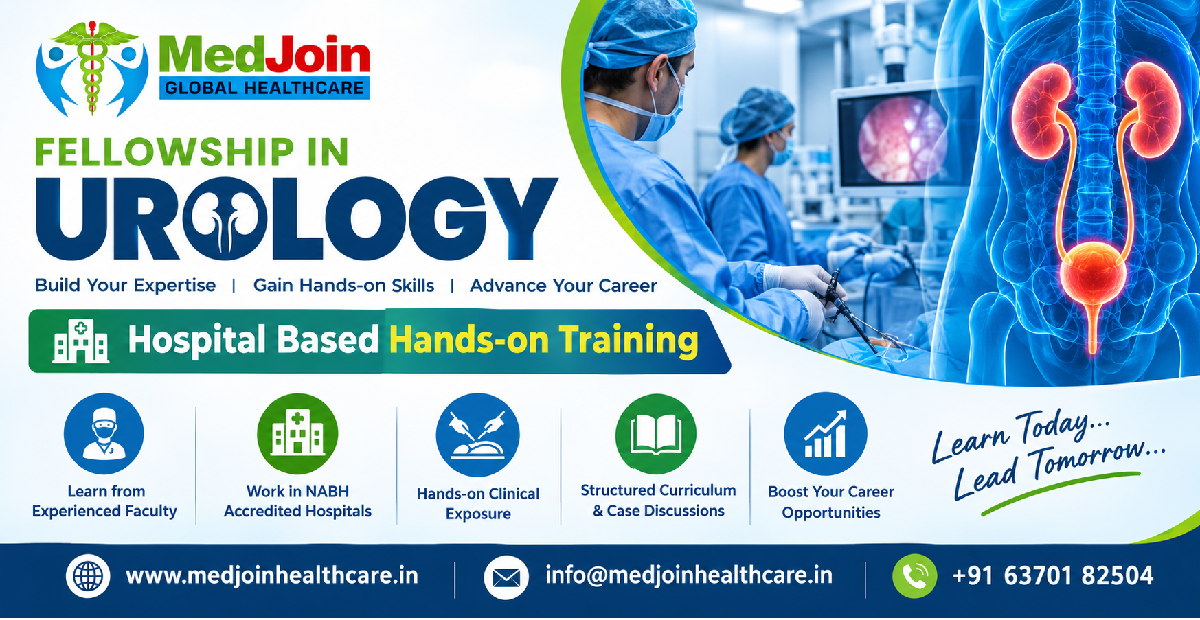
- Fellowship in Urology
Diagnostic Fellowships
Focus on investigation and interpretation:
- Fellowship in Radiology
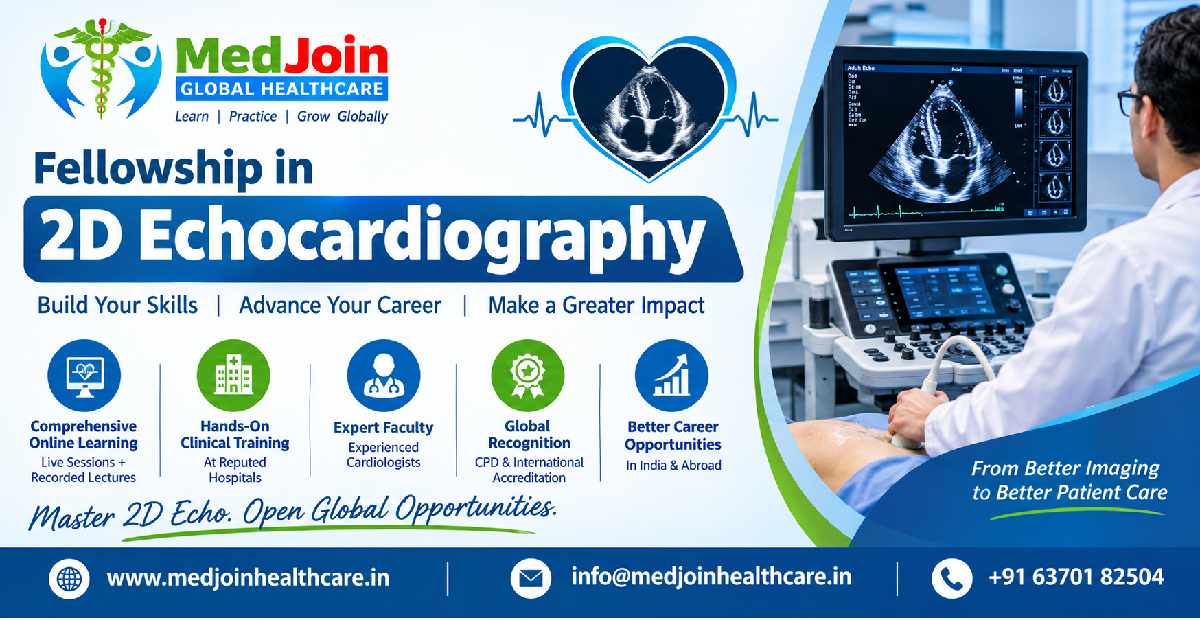
- Fellowship in 2D Echocardiography
- Fellowship in Pathology
Non-Clinical Fellowships
For those interested in alternative medical careers:
- Fellowship in Medical Research
- Fellowship in Healthcare Management
- Fellowship in Medical Writing
Top Reasons to Enroll in a Fellowship After MBBS
1. Career Advancement
Fellowships open doors to better job roles, higher salaries, and leadership positions.
2. Skill Enhancement
You gain hands-on experience and advanced clinical skills that are not covered during MBBS.
3. Faster Career Growth Compared to Traditional PG
While postgraduate degrees like Doctor of Medicine or Master of Surgery take 3 years or more, fellowships can be completed in a much shorter time.
4. Flexibility
Many fellowship programs are available online, allowing you to learn while working.
5. Global Opportunities
Fellowships improve your chances of working abroad or collaborating with international institutions.
Popular Fellowship Specializations in Demand
1. Fellowship in Internal Medicine
A versatile field covering a wide range of adult diseases, making it highly valuable.
2. Fellowship in Critical Care Medicine
Ideal for doctors working in ICUs and emergency settings.
3. Fellowship in Emergency Medicine
Focuses on acute care, trauma management, and rapid decision-making.
4. Fellowship in Clinical Cardiology
A high-demand specialization with excellent career prospects.
5. Fellowship in Dermatology
Growing demand due to increasing awareness of skin health and aesthetics.
Benefits of Online Fellowship Programs
1. Learn While You Earn
Online fellowships allow doctors to continue practicing while upgrading their skills.
2. Cost-Effective
They are generally more affordable than traditional postgraduate programs.
3. Accessibility
Doctors from remote areas can access high-quality education.
4. Self-Paced Learning
Flexible schedules help in balancing work and study.
How to Choose the Right Fellowship Program
1. Accreditation and Recognition
Ensure the program is recognized by a reputed institution or organization.
2. Curriculum and Training
Look for programs offering practical exposure and case-based learning.
3. Faculty Expertise
Experienced mentors add immense value to your training.
4. Career Support
Check if the program offers placement assistance or networking opportunities.
Fellowship vs MD/MS: What Should You Choose?
| Criteria | Fellowship | MD/MS |
|---|---|---|
| Duration | 6–24 months | 3 years |
| Focus | Specialized skills | Broad specialization |
| Cost | Lower | Higher |
| Flexibility | High | Low |
| Entry Difficulty | Moderate | High |
If you want quick skill enhancement and career growth, a fellowship is ideal. If you aim for academic or government roles, MD/MS may be necessary.
Why Doctors Should Join a Fellowship Program After MBBS
Completing your Bachelor of Medicine, Bachelor of Surgery is a proud milestone—but in today’s rapidly evolving healthcare environment, it’s only the beginning. The expectations from modern doctors go far beyond general medical knowledge. Patients seek specialists, hospitals prefer skilled professionals, and the industry rewards expertise. This is exactly why fellowship programs after MBBS have become increasingly important for doctors aiming to build a successful and future-ready career.
The Shift Toward Specialization
Medicine has transformed dramatically over the past decade. Earlier, general practitioners played a dominant role, but now healthcare is driven by specialization. From cardiology and emergency medicine to dermatology and critical care, each field demands in-depth knowledge and hands-on expertise.
A fellowship allows doctors to gain focused training in a specific domain within a short period. Unlike traditional postgraduate degrees such as Doctor of Medicine or Master of Surgery, which take several years and require highly competitive entrance exams, fellowships provide a faster and more flexible pathway to specialization.
Enhancing Clinical Skills and Confidence
One of the biggest gaps many MBBS graduates face is limited exposure to advanced clinical procedures. Fellowship programs are designed to bridge this gap by emphasizing practical, real-world training.
Through case-based learning, simulations, and hands-on exposure, doctors develop critical skills such as diagnosis, patient management, and decision-making. This not only improves clinical competence but also builds confidence—an essential trait for any successful doctor.
Faster Career Growth and Better Opportunities
In a competitive job market, having just an MBBS degree may not be enough to stand out. Hospitals and healthcare organizations increasingly prefer candidates with specialized training.
A fellowship certification signals that you have gone the extra mile to develop expertise in a particular area. This can open doors to better job roles, higher salaries, and leadership positions. Whether you want to work in a multi-specialty hospital, start your own practice, or explore opportunities abroad, a fellowship gives you a significant edge.
Flexibility and Accessibility
One of the most attractive aspects of modern fellowship programs is their flexibility. Many are offered in online or hybrid formats, allowing doctors to learn while continuing their practice.
This “learn while you earn” model is particularly beneficial for young doctors who want to upgrade their skills without taking a career break. It also makes high-quality education accessible to those in remote or underserved areas.
Cost-Effective Alternative to Traditional PG
Pursuing an MD or MS can be expensive and time-consuming. In contrast, fellowship programs are generally more affordable and shorter in duration, often ranging from 6 months to 2 years.
For doctors who want to quickly enhance their qualifications without investing several years, fellowships offer an excellent return on investment.
Keeping Up with Medical Advancements
Healthcare is constantly evolving with new technologies, treatment protocols, and research findings. Fellowship programs help doctors stay updated with the latest advancements in their chosen field.
Whether it’s learning about new diagnostic tools, advanced surgical techniques, or updated clinical guidelines, fellowships ensure that doctors remain relevant and competent in their practice.
Expanding Career Pathways
A fellowship doesn’t just prepare you for clinical roles—it also opens doors to diverse career paths. Doctors can explore opportunities in:
- Specialized clinical practice
- Hospital administration
- Medical research
- Teaching and academics
- Healthcare consulting
This versatility allows doctors to align their careers with their interests and long-term goals.
Building Professional Credibility
In today’s digital and informed world, patients often research doctors before choosing them. Having a fellowship certification enhances your professional profile and builds trust among patients and peers.
It demonstrates your commitment to continuous learning and excellence in patient care—qualities that are highly valued in the medical profession.
A Smart Investment in Your Future
Joining a fellowship program after MBBS is not just about gaining another certificate—it’s about transforming your career. It equips you with specialized skills, improves your clinical confidence, and positions you for better opportunities in a competitive healthcare landscape.
If you aspire to grow, specialize, and make a meaningful impact in medicine, a fellowship program is a smart and strategic next step. In a field where learning never stops, choosing to upgrade your skills today can define your success tomorrow.
Career Opportunities After Fellowship
After completing a fellowship, you can explore:
- Specialist Doctor Roles
- Consultant Positions
- Private Practice
- Hospital Administration
- Medical Education
- Research and Publications
Challenges and How to Overcome Them
1. Time Management
Balancing work and study can be difficult. Solution: Create a structured schedule.
2. Choosing the Right Specialization
Confusion is common. Solution: Assess your interests and career goals.
3. Financial Investment
Though cheaper than PG, fellowships still require investment. Solution: Consider ROI and long-term benefits.
Future of Fellowship Programs in Medicine
The demand for fellowship-trained doctors is expected to rise due to:
- Increasing specialization
- Technological advancements
- Growing healthcare needs
- Global mobility of professionals
Fellowships are becoming the bridge between general medical education and super-specialization.
Upgrade Your Medical Career Today
The medical field is evolving rapidly, and staying ahead requires continuous learning. A fellowship program after MBBS is not just an option—it’s a necessity for ambitious doctors who want to excel.
Whether you aim to become a specialist, enhance your clinical skills, or explore global opportunities, now is the time to act.
Don’t wait for opportunities—create them.
Enroll in a fellowship program today and take the next step toward a successful, fulfilling medical career.
Your MBBS degree is just the beginning of your journey in medicine. The real growth begins when you choose to specialize, evolve, and adapt to the changing healthcare landscape.
Fellowship programs provide the perfect platform to do just that—offering flexibility, practical learning, and career advancement opportunities.
Answer the call. Invest in your future. Become the doctor the world needs today.