
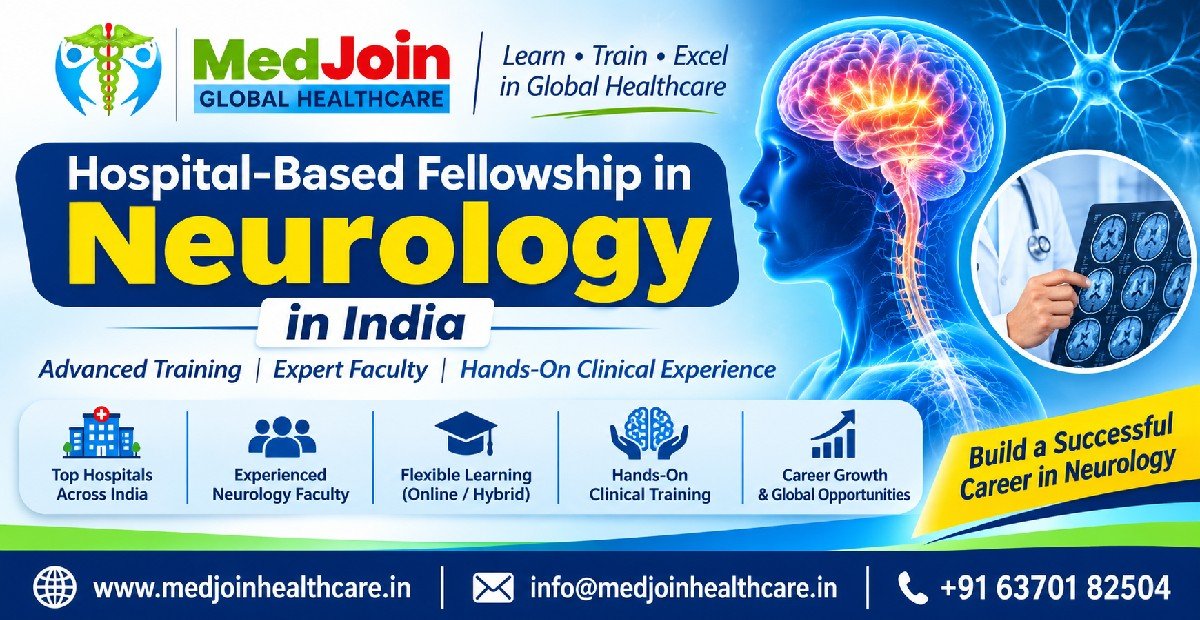
Advance Your Medical Career with a Hospital-Based Fellowship in Neurology in India
Neurology is one of the most important and rapidly developing branches of modern medicine. It focuses on the diagnosis, treatment, prevention and long-term management of disorders affecting the brain, spinal cord, peripheral nerves, muscles and the nervous system. With neurological conditions affecting millions of individuals across the world, the demand for skilled medical professionals with advanced clinical knowledge and practical exposure continues to grow.
India is experiencing an increasing need for specialised neurological healthcare services due to changing lifestyles, an ageing population, metabolic disorders, hypertension, diabetes, cardiovascular risk factors and improved diagnostic capabilities. Conditions such as stroke, epilepsy, migraine, Parkinson's disease, dementia, neuropathy, multiple sclerosis, meningitis and other neurological disorders require timely diagnosis and appropriate medical management. Hospitals are increasingly focusing on strengthening their neurology departments, emergency neurological services, intensive care facilities and multidisciplinary treatment approaches.
For doctors who want to expand their clinical knowledge and develop a deeper understanding of neurological diseases, a Hospital-Based Fellowship in Neurology in India can provide an opportunity to learn within a real hospital environment. Clinical exposure, supervised learning, case-based discussions, patient evaluation, diagnostic interpretation and interaction with experienced medical professionals can contribute significantly to professional development.
A hospital-based clinical fellowship is particularly relevant for doctors who want to understand how neurological conditions present in clinical practice, how neurological examinations are performed, how investigations are selected and interpreted, and how treatment plans are developed under appropriate medical supervision.
MedJoin Global Healthcare aims to support medical professionals through structured medical education, professional development programmes, online academic learning, hybrid education and hospital-based clinical training opportunities. Its educational approach focuses on connecting theoretical knowledge with practical clinical understanding so that doctors can strengthen their professional capabilities.
If you are a medical graduate, postgraduate doctor, general physician or practising healthcare professional looking to develop a stronger understanding of neurological medicine, exploring a structured clinical fellowship programme may be a valuable step in your professional learning journey.
What Is a Hospital-Based Fellowship in Neurology?
A Hospital-Based Fellowship in Neurology is a structured professional learning programme designed to provide doctors with additional knowledge and clinical exposure in the field of neurological medicine. Unlike learning that is limited to textbooks, recorded lectures or online academic sessions, hospital-based training introduces participants to the clinical environment in which neurological conditions are evaluated and managed.
The primary purpose of this type of programme is to help participating doctors understand the practical application of neurological concepts. Depending on the programme structure, hospital facilities, faculty availability, eligibility requirements and clinical permissions, training may include observation of patient consultations, supervised clinical discussions, neurological examination demonstrations, diagnostic case reviews, ward-based learning, outpatient department exposure and academic sessions.
Neurology is a clinically demanding speciality because neurological symptoms can be complex and sometimes overlap with conditions involving other organ systems. A patient presenting with weakness, headache, dizziness, seizures, altered consciousness, memory problems, tremors or difficulty walking may require detailed clinical assessment before an accurate diagnosis can be established.
Hospital-based learning helps doctors understand the importance of a systematic approach to neurological assessment. It provides opportunities to connect symptoms with clinical findings, investigate possible causes, review imaging and laboratory reports, and understand how specialists make decisions regarding patient management.
A well-organised clinical fellowship may cover:
-
Fundamentals of clinical neurology.
-
Detailed neurological history-taking.
-
General and focused neurological examination.
-
Assessment of motor and sensory functions.
-
Cranial nerve examination.
-
Evaluation of reflexes, coordination and gait.
-
Clinical approach to headache and migraine.
-
Evaluation and management principles of epilepsy.
-
Recognition of acute stroke and neurological emergencies.
-
Introduction to movement disorders.
-
Clinical understanding of peripheral neuropathy.
-
Interpretation of neuroimaging under specialist guidance.
-
Understanding electroencephalography and nerve conduction studies.
-
Neurological intensive care principles.
-
Rehabilitation and long-term neurological care.
-
Clinical documentation and multidisciplinary coordination.
-
Evidence-based approaches to neurological practice.
The exact curriculum and practical exposure depend on the training provider and participating hospital. The programme should clearly explain whether its activities involve observation, supervised educational participation or independently authorised clinical responsibilities. A fellowship certificate does not independently grant additional statutory medical practice rights.
Why Choose India for Hospital-Based Neurology Training?
India has developed a broad healthcare infrastructure that includes government medical colleges, private hospitals, multispeciality hospitals, super-speciality institutions, diagnostic centres, neurological institutes and tertiary-care facilities.
These institutions manage patients with a wide range of neurological conditions. Doctors undertaking clinical learning in India may encounter diverse patient presentations, different stages of neurological disease, varying socioeconomic backgrounds and complex combinations of medical conditions.
India offers several educational advantages for doctors seeking additional clinical exposure.
1. Diverse Neurological Patient Presentations
Indian hospitals manage patients with acute and chronic neurological conditions. Doctors may encounter stroke, epilepsy, headache disorders, infections of the nervous system, movement disorders, neuromuscular diseases, neurodegenerative conditions and complications associated with diabetes and hypertension.
Exposure to different clinical presentations helps learners understand that neurological disorders do not always present with textbook symptoms. Age, medical history, disease progression, associated illnesses and previous treatment can influence the clinical picture.
2. Exposure to Multidisciplinary Healthcare
Neurological patients frequently require care from multiple medical departments. Neurologists may coordinate with general physicians, neurosurgeons, emergency physicians, radiologists, anaesthesiologists, intensivists, psychiatrists, physiotherapists, rehabilitation specialists and speech therapists.
A hospital-based programme can help doctors understand the importance of interdisciplinary communication and coordinated patient care.
3. Practical Understanding of Neurological Investigations
Neurological diagnosis often depends on combining clinical findings with investigations. Depending on the hospital's facilities and the programme's scope, doctors may receive educational exposure to:
-
CT scans of the brain.
-
MRI brain imaging.
-
MR angiography.
-
EEG.
-
Nerve conduction studies.
-
Electromyography.
-
Cerebrospinal fluid analysis.
-
Relevant blood investigations.
-
Carotid and vascular imaging.
-
Evoked potential studies.
The emphasis should be on understanding the clinical indications, limitations and interpretation principles of these investigations under qualified supervision.
4. Clinical Case Discussions
Case-based learning allows doctors to connect symptoms, examination findings, investigation reports and differential diagnoses.
For example, a patient presenting with sudden-onset weakness on one side of the body requires urgent evaluation for stroke. A patient with recurrent episodes of altered awareness may require assessment for seizures and other causes of episodic neurological dysfunction. A patient experiencing progressive memory loss may require evaluation for cognitive impairment, dementia and potentially reversible causes.
Discussing such cases with experienced clinicians can improve clinical reasoning and diagnostic awareness.
5. Accessible Professional Development Opportunities
India has a range of healthcare institutions and medical education providers offering academic and professional development opportunities. Doctors should compare the curriculum, faculty credentials, hospital arrangements, practical exposure, eligibility criteria, fees and certificate details before enrolling.
Growing Importance of Neurology in India's Healthcare System
Neurological disorders represent a significant public health challenge. The burden includes non-communicable conditions such as stroke, epilepsy, migraine, dementia and Parkinson's disease, along with infections and neurological injuries.
The India State-Level Disease Burden Study published in The Lancet Global Health reported that stroke, headache disorders and epilepsy were among the leading contributors to neurological disorder-related disability-adjusted life-years in India in 2019. The study also highlighted substantial differences in neurological disease burden across states.
These findings demonstrate why neurological awareness, timely diagnosis, appropriate referral and improved access to specialised care are important components of India's healthcare system.
The National Stroke Registry Programme has also provided valuable information about hospital-based stroke care in India. Its registry data from 2020 to 2022 included 34,792 patients across 30 hospitals, highlighting the importance of hypertension, diabetes and other modifiable risk factors in stroke care.
As neurological healthcare needs continue to evolve, doctors require opportunities to strengthen their understanding of neurological examination, emergency recognition, diagnostic investigations and long-term patient management.
A clinical fellowship can contribute to this professional learning process by providing structured exposure to real-world clinical scenarios.
Who Should Join a Hospital-Based Fellowship in Neurology?
The suitability of a Neurology Fellowship depends on the programme's admission criteria, academic objectives and clinical training arrangements. Different programmes may accept different categories of medical professionals.
Potentially suitable candidates, depending on the published eligibility criteria, may include:
MBBS Doctors
MBBS-qualified doctors may be interested in understanding neurological conditions encountered in general medical practice, emergency departments and primary healthcare settings.
A structured programme may help them develop knowledge of common neurological presentations, identify warning signs and understand when specialist referral is necessary.
However, a short-term or professional clinical fellowship should not be presented as equivalent to postgraduate specialisation in Neurology.
MD General Medicine Doctors
Doctors holding an MD in General Medicine may wish to expand their understanding of neurological presentations that overlap with internal medicine.
This may include stroke risk factors, diabetic neuropathy, metabolic encephalopathy, seizures, headache disorders, neuromuscular symptoms and neurological complications of systemic diseases.
DNB General Medicine Doctors
DNB-qualified physicians may seek additional academic exposure in neurological diagnosis, investigations and multidisciplinary patient management.
Their eligibility for any particular programme should be confirmed against the admission policy of the training provider.
MD Emergency Medicine Doctors
Emergency physicians frequently encounter patients with acute neurological symptoms. Additional learning in stroke recognition, seizure assessment, altered sensorium, acute headache and neurological emergencies may be useful for their professional development.
MD Anaesthesiology and Critical Care Professionals
Doctors working in critical care may encounter patients with neurological emergencies, seizures, altered consciousness, brain injuries and complications requiring intensive monitoring.
A neurology-focused educational programme may improve their understanding of neurological assessment and multidisciplinary coordination.
Paediatricians
Doctors involved in paediatric healthcare may wish to understand developmental neurological conditions, seizures, paediatric neuromuscular disorders and neurological emergencies in children.
They should choose a programme specifically designed for paediatric neurological learning if that is their professional objective.
International Medical Graduates
International medical graduates may explore educational and clinical observership opportunities in India, subject to their qualifications, visa status, applicable registration requirements, hospital policies and the programme's eligibility criteria.
They should confirm in advance whether their proposed participation is limited to observation and academic learning or includes any other activity requiring additional authorisation.
Difference Between a Clinical Fellowship, DM Neurology and DrNB Neurology
Before joining a programme, doctors should understand the difference between professional clinical training and recognised specialist qualifications.
DM Neurology and DrNB Neurology are formal super-speciality academic pathways governed by applicable regulatory and examination requirements. They have defined eligibility conditions, admission procedures, training structures and qualification standards.
A professional hospital-based clinical fellowship may have a different purpose. It can offer additional educational exposure in neurological medicine but should not be confused with a recognised super-speciality degree or board qualification.
DM Neurology
Doctor of Medicine in Neurology is a recognised super-speciality qualification pursued through the applicable medical education pathway. Admission requirements generally include an eligible feeder postgraduate qualification and the prescribed selection process.
DrNB Neurology
DrNB is a super-speciality qualification awarded through the National Board of Examinations in Medical Sciences framework. Admission and training follow the relevant NBEMS requirements.
Professional Hospital-Based Clinical Fellowship
A professional clinical fellowship is an additional learning opportunity organised by an educational provider or hospital. Its academic recognition, duration, curriculum, clinical exposure and certificate status depend on the specific programme.
It should not be advertised as equivalent to DM, DrNB or an NMC-recognised specialist qualification unless that status is independently established.
Doctors should verify the awarding body, certificate wording, faculty, hospital participation, curriculum and recognition status before making an enrolment decision.
Comprehensive Curriculum of a Hospital-Based Fellowship in Neurology
A meaningful neurology training programme should cover the fundamentals of neurological medicine and provide exposure to important clinical conditions.
The following curriculum represents an educational framework that can be adapted according to programme duration, faculty expertise, hospital facilities and participant eligibility.
Module 1: Introduction to Clinical Neurology
This module introduces the basic concepts of neurological medicine and the organisation of the nervous system.
Topics may include:
-
Overview of the central nervous system.
-
Structure and functions of the brain.
-
Spinal cord anatomy.
-
Peripheral nervous system.
-
Autonomic nervous system.
-
Neurons and nerve conduction.
-
Neuromuscular junction.
-
Basic neurophysiology.
-
Neurotransmitters.
-
Blood supply to the brain.
-
Cerebral circulation.
-
Functional organisation of the cerebral cortex.
-
Sensory and motor pathways.
-
Introduction to neurological terminology.
Doctors learn how neurological structures and functions relate to common clinical symptoms.
Understanding neuroanatomy is particularly important because the location of a lesion can provide valuable clues about the underlying disorder.
Module 2: Neurological History-Taking
A detailed medical history is an essential part of neurological assessment.
The module may cover:
-
Chief complaints.
-
Onset and duration of symptoms.
-
Progression of neurological symptoms.
-
Previous neurological episodes.
-
History of seizures.
-
Headache characteristics.
-
Weakness and paralysis.
-
Sensory disturbances.
-
Speech and language difficulties.
-
Visual disturbances.
-
Gait abnormalities.
-
Tremors and involuntary movements.
-
Memory and behavioural changes.
-
Medication history.
-
Family history.
-
Relevant medical and surgical history.
Doctors should understand how to collect information systematically and identify symptoms that require urgent medical assessment.
Module 3: Neurological Examination
The neurological examination is a fundamental clinical skill.
The examination may include:
Mental status examination: Assessment of alertness, orientation, attention, memory, language, behaviour and higher mental functions.
Cranial nerve examination: Evaluation of the twelve cranial nerves, including visual function, eye movements, facial sensation, facial movements, hearing, swallowing and tongue movement.
Motor system examination: Assessment of muscle bulk, tone, power, involuntary movements and coordination.
Sensory system examination: Evaluation of pain, temperature, touch, vibration and proprioception.
Reflex examination: Assessment of deep tendon reflexes, superficial reflexes and pathological reflexes.
Cerebellar examination: Assessment of coordination, balance and related functions.
Gait examination: Evaluation of walking pattern, posture, stability and associated abnormalities.
The aim is to help doctors understand the structure and clinical significance of a systematic neurological examination.
Module 4: Stroke and Cerebrovascular Disorders
Stroke is one of the most important conditions in clinical neurology because it can cause sudden disability and may be life-threatening.
The module may cover:
-
Definition and classification of stroke.
-
Ischaemic stroke.
-
Haemorrhagic stroke.
-
Transient ischaemic attack.
-
Cerebral arterial circulation.
-
Stroke risk factors.
-
Clinical presentation.
-
FAST assessment principles.
-
Initial neurological evaluation.
-
NIH Stroke Scale concepts.
-
Brain CT and MRI overview.
-
Vascular imaging.
-
Stroke mimics.
-
Acute stroke management principles.
-
Reperfusion therapy concepts.
-
Secondary prevention.
-
Post-stroke complications.
-
Stroke rehabilitation.
-
Multidisciplinary stroke care.
Doctors should understand that suspected acute stroke is a medical emergency requiring immediate assessment and referral through an appropriate stroke-care pathway.
The educational component should explain the principles of time-sensitive treatment and the importance of following current institutional protocols and specialist decisions.
Module 5: Epilepsy and Seizure Disorders
Epilepsy is a neurological condition characterised by an enduring predisposition to epileptic seizures.
The module may cover:
-
Definition of seizures.
-
Classification of seizure types.
-
Focal-onset seizures.
-
Generalised-onset seizures.
-
Seizure mimics.
-
Epilepsy syndromes.
-
Common causes of seizures.
-
Clinical history-taking.
-
EEG fundamentals.
-
Neuroimaging in epilepsy.
-
Antiseizure medication principles.
-
Status epilepticus.
-
Medication adherence.
-
Seizure safety.
-
Pregnancy-related considerations.
-
Epilepsy counselling.
-
Referral for specialised epilepsy assessment.
The programme should emphasise that treatment decisions must be individualised according to the patient's diagnosis, age, clinical circumstances and specialist evaluation.
Module 6: Headache and Migraine Disorders
Headache is among the most frequently encountered neurological complaints.
The module may discuss:
-
Primary headache disorders.
-
Secondary headache disorders.
-
Migraine.
-
Tension-type headache.
-
Cluster headache.
-
Medication-overuse headache.
-
Chronic daily headache.
-
Headache red flags.
-
Clinical assessment.
-
Neurological examination.
-
Appropriate investigation.
-
Acute treatment principles.
-
Preventive treatment concepts.
-
Lifestyle and trigger assessment.
-
Patient education.
-
Referral indications.
Doctors should learn to distinguish common primary headache presentations from potentially serious secondary causes.
Module 7: Movement Disorders
Movement disorders involve abnormalities in voluntary or involuntary movements.
The curriculum may cover:
-
Parkinson's disease.
-
Essential tremor.
-
Dystonia.
-
Chorea.
-
Myoclonus.
-
Tics.
-
Ataxia.
-
Bradykinesia.
-
Rigidity.
-
Resting and action tremors.
-
Gait disturbances.
-
Clinical assessment.
-
Neuroimaging overview.
-
Treatment principles.
-
Rehabilitation and supportive care.
Special attention may be given to the recognition of Parkinsonian features and the importance of evaluating medication-related movement disorders.
Module 8: Neuromuscular Disorders
Neuromuscular medicine deals with conditions involving peripheral nerves, neuromuscular junctions and muscles.
Topics may include:
-
Peripheral neuropathy.
-
Diabetic neuropathy.
-
Guillain-Barré syndrome.
-
Myasthenia gravis.
-
Myopathies.
-
Motor neuron disease.
-
Radiculopathy.
-
Plexopathy.
-
Muscle weakness.
-
Sensory abnormalities.
-
Reflex changes.
-
Nerve conduction studies.
-
Electromyography.
-
Laboratory investigations.
-
Clinical referral pathways.
Doctors should understand how the distribution of weakness, sensory loss and reflex abnormalities can help localise neurological disease.
Module 9: Neuroinfectious Disorders
Infections affecting the nervous system can cause significant morbidity and mortality.
The module may cover:
-
Meningitis.
-
Encephalitis.
-
Brain abscess.
-
Tuberculous meningitis.
-
Neurocysticercosis.
-
Viral neurological infections.
-
Fungal infections affecting the nervous system.
-
Clinical warning signs.
-
Cerebrospinal fluid evaluation.
-
Neuroimaging.
-
Differential diagnosis.
-
Emergency assessment.
-
Infection-control considerations.
-
Multidisciplinary management.
The curriculum should emphasise early recognition and appropriate escalation when a serious central nervous system infection is suspected.
Module 10: Neurodegenerative Disorders
Neurodegenerative diseases involve progressive damage to specific components of the nervous system.
Topics may include:
-
Alzheimer's disease.
-
Other dementias.
-
Parkinson's disease.
-
Frontotemporal dementia.
-
Motor neuron disease.
-
Cognitive impairment.
-
Behavioural changes.
-
Memory disorders.
-
Clinical assessment.
-
Functional evaluation.
-
Caregiver counselling.
-
Rehabilitation.
-
Long-term care planning.
The focus should be on understanding clinical presentations, diagnostic approaches, supportive care and the role of multidisciplinary teams.
Module 11: Neuroimaging and Diagnostic Neurology
Modern neurological practice depends heavily on appropriate diagnostic investigations.
The programme may introduce:
-
CT brain.
-
MRI brain.
-
Diffusion-weighted imaging.
-
MR angiography.
-
Cerebral vascular imaging.
-
EEG.
-
Nerve conduction studies.
-
Electromyography.
-
Cerebrospinal fluid analysis.
-
Laboratory assessment.
-
Neurophysiological investigations.
Doctors should learn the indications, basic principles, limitations and clinical relevance of these investigations under qualified supervision.
Module 12: Neurocritical Care and Neurological Emergencies
Neurological emergencies require rapid recognition, stabilisation and appropriate specialist involvement.
The module may cover:
-
Acute stroke.
-
Status epilepticus.
-
Coma and altered consciousness.
-
Raised intracranial pressure.
-
Brain injuries.
-
Acute neuromuscular weakness.
-
Meningitis and encephalitis emergencies.
-
Neurological deterioration.
-
Airway and respiratory considerations.
-
Intensive monitoring.
-
Multidisciplinary coordination.
The objective is to improve clinical understanding of emergency presentations and the importance of timely escalation.
Module 13: Paediatric Neurology
Paediatric neurology focuses on neurological conditions affecting infants, children and adolescents.
Depending on programme scope, topics may include:
-
Developmental delay.
-
Childhood epilepsy.
-
Cerebral palsy.
-
Neuromuscular disorders.
-
Paediatric headaches.
-
Neurodevelopmental conditions.
-
Paediatric movement disorders.
-
Childhood neurological infections.
-
Developmental assessment.
-
Referral and rehabilitation.
Adult neurology and paediatric neurology require different clinical approaches. Doctors should ensure that their chosen training programme covers the age group relevant to their professional objectives.
Module 14: Rehabilitation and Long-Term Neurological Care
Neurological conditions can affect mobility, speech, swallowing, memory, behaviour and independent living.
The module may include:
-
Stroke rehabilitation.
-
Physiotherapy.
-
Occupational therapy.
-
Speech and language therapy.
-
Cognitive rehabilitation.
-
Mobility assessment.
-
Fall prevention.
-
Spasticity management principles.
-
Rehabilitation planning.
-
Caregiver education.
-
Long-term follow-up.
The purpose is to understand that neurological care extends beyond diagnosis and acute treatment.
What Practical Exposure Can Doctors Expect During Hospital-Based Neurology Training?
Practical exposure is one of the major educational benefits of a hospital-based programme.
The exact nature of exposure must be confirmed with the participating hospital. A responsible training structure should clearly distinguish between observation, academic participation and supervised clinical activities.
Depending on the programme and permissions, educational activities may include:
1. Outpatient Department Observation
Doctors may observe how neurological consultations are organised.
They can learn about the importance of symptom analysis, neurological history-taking, examination, diagnostic planning and follow-up.
2. Inpatient Neurology Case Discussions
Hospital-based academic discussions can help doctors understand complex neurological cases.
These may include patients with stroke, seizures, encephalopathy, movement disorders, neuropathy and neuroinfectious conditions.
3. Neurological Examination Demonstrations
Under appropriate supervision and patient consent, participants may observe or practise components of neurological examination within their authorised educational role.
4. Stroke Unit Exposure
Where available and permitted, learners may observe the organisation of stroke services, emergency evaluation, multidisciplinary communication and rehabilitation planning.
5. Diagnostic Imaging Discussions
Doctors may review anonymised CT and MRI case material with qualified faculty to understand imaging findings and their clinical relevance.
6. EEG and Neurophysiology Learning
The programme may include academic demonstrations of EEG, nerve conduction studies and electromyography, depending on the facilities available.
7. Ward-Based Academic Learning
Ward rounds and case presentations may help participants understand disease progression, clinical monitoring, treatment response and discharge planning.
8. Clinical Seminars and Journal Discussions
Regular seminars and journal discussions can help doctors remain familiar with evidence-based neurological practice.
All patient-related activities must follow hospital policy, informed consent requirements, confidentiality standards and applicable laws. Participation does not automatically authorise independent patient examination, diagnosis, prescribing or procedures.
Importance of Clinical Case-Based Learning in Neurology
Clinical case-based learning is particularly valuable in neurology because the nervous system is highly complex.
A symptom such as weakness may result from a brain lesion, spinal cord pathology, peripheral nerve disorder, neuromuscular junction abnormality or muscle disease.
Similarly, dizziness may have neurological, vestibular, cardiovascular or metabolic causes. Headache may represent a primary headache disorder or an underlying secondary condition.
Case-based discussions help doctors develop a systematic approach.
For example, a patient with sudden-onset speech difficulty and right-sided weakness requires urgent assessment for a possible cerebrovascular event. The clinician must consider symptom onset, vital signs, neurological findings, glucose levels, imaging and relevant treatment eligibility criteria.
A patient with recurrent episodes of involuntary movements may require evaluation for seizures, movement disorders, metabolic causes or other neurological conditions.
A patient with gradually progressive memory impairment may require cognitive assessment, medication review, laboratory investigations and appropriate imaging.
Through structured discussions, doctors can learn to formulate differential diagnoses, understand investigation choices and recognise when specialist input is essential.
How a Hospital-Based Neurology Fellowship Can Improve Clinical Knowledge
A professional clinical fellowship can help doctors develop several important learning competencies.
Improved Clinical Reasoning
Neurological diagnosis requires careful correlation between symptoms, examination findings and investigations.
Case discussions can help participants understand how clinicians approach complex presentations.
Better Neurological Examination Skills
Understanding the neurological examination can help doctors recognise abnormalities and communicate clinical findings more effectively.
Greater Awareness of Medical Emergencies
Exposure to stroke, seizures, altered consciousness and other urgent presentations can improve awareness of the need for timely assessment and referral.
Understanding of Diagnostic Investigations
Doctors can strengthen their knowledge of neuroimaging, EEG, nerve conduction studies and other investigations.
Improved Multidisciplinary Communication
Neurological care often involves several departments. Hospital-based learning can improve understanding of referral pathways and teamwork.
Stronger Evidence-Based Learning
Academic sessions and case reviews can help participants understand how guidelines and clinical evidence inform treatment decisions.
Better Patient Communication
Neurological diseases may have long-term effects on patients and their families. Doctors can learn about counselling, patient education, rehabilitation and follow-up.
Career Scope After Neurology-Focused Clinical Training
Neurology is an important area of healthcare, but career opportunities depend on the doctor's original qualification, registration, experience, statutory permissions and recognised specialist credentials.
A professional fellowship may add to a doctor's knowledge and educational profile. It does not independently qualify an MBBS doctor or another medical professional to practise as a neurologist.
Potential areas in which additional neurological knowledge may be useful include:
General medical practice: Better recognition of neurological symptoms and appropriate referral.
Emergency medicine: Improved awareness of acute stroke, seizures, altered consciousness and neurological warning signs.
Internal medicine: Understanding neurological complications of systemic diseases.
Critical care: Better understanding of neurological assessment, neurocritical care principles and multidisciplinary coordination.
Hospital-based medical services: Greater familiarity with neurological case documentation and specialist referral pathways.
Medical education: Additional academic knowledge for teaching or professional development within the scope of the individual's existing qualifications.
Clinical research: Improved familiarity with neurological conditions, clinical terminology, disease classifications and research literature.
Healthcare management: Better understanding of neurological service requirements, patient pathways and multidisciplinary care coordination.
Doctors seeking to practise independently as specialists should pursue the applicable recognised qualification and registration pathway.
Why Choose a Structured Neurology Fellowship Programme?
When selecting a clinical fellowship, doctors should focus on the quality and transparency of the programme rather than relying only on its title.
A structured programme should provide clear information about its academic objectives, duration, curriculum, teaching faculty, hospital affiliation, practical exposure, eligibility criteria and assessment process.
Important features include:
-
A clearly defined course curriculum.
-
Experienced and appropriately qualified faculty.
-
Documented hospital training arrangements.
-
Defined learning objectives.
-
Practical exposure appropriate to participant eligibility.
-
Case-based academic sessions.
-
Access to relevant diagnostic learning.
-
Assessment and feedback.
-
Transparent fee structure.
-
Clear certificate details.
-
Defined attendance requirements.
-
Patient confidentiality and ethical safeguards.
Doctors should request written confirmation of the hospital's participation and the exact nature of clinical activities before making a payment.
Why Consider MedJoin Global Healthcare for Neurology-Focused Professional Development?
MedJoin Global Healthcare is focused on medical education and professional development for doctors and healthcare professionals.
Its educational approach brings together online academic learning, structured professional programmes and hospital-based clinical training opportunities.
For doctors interested in Neurology, the aim is to support the development of theoretical knowledge alongside practical clinical understanding through an appropriately structured learning pathway.
Depending on the programme offered, its curriculum and the participating hospital's arrangements, educational components may include:
-
Online learning resources.
-
Recorded academic lectures.
-
Clinical neurology topics.
-
Case-based discussions.
-
Faculty-led learning sessions.
-
Hospital-based educational exposure.
-
Clinical observation, where approved.
-
Assessment and academic feedback.
-
Professional learning documentation.
-
Certificate details based on the actual programme and awarding arrangement.
The exact programme duration, admission criteria, hospital location, clinical activities, assessment requirements and certificate format should be confirmed directly before enrolment.
MedJoin Global Healthcare aims to make continuing medical education more accessible to doctors seeking opportunities to expand their professional knowledge and explore specialised clinical subjects.
Online, Hybrid and Hospital-Based Learning: Understanding the Differences
Doctors may have different learning preferences and professional commitments. Some prefer flexible online education, while others want opportunities to observe clinical practice in a hospital.
A medical education programme may therefore be offered through different learning formats.
Online Neurology Fellowship Learning
Online learning can provide access to academic content without requiring doctors to relocate.
Depending on the programme, the online component may include:
-
Recorded lectures.
-
Digital study materials.
-
Academic presentations.
-
Live faculty sessions.
-
Case-based discussions.
-
Online assessments.
-
Learning management system access.
-
Clinical topic revisions.
Online education is useful for theoretical learning, but it cannot independently provide the same hospital exposure as an approved in-person clinical training arrangement.
Hybrid Neurology Fellowship
A hybrid programme combines online academic learning with a defined period of hospital-based educational exposure.
It may be suitable for doctors who want to study theoretical concepts remotely and subsequently attend a participating hospital for clinical learning.
A hybrid structure should clearly specify the online duration, hospital duration, attendance requirements and the nature of practical activities.
Hospital-Based Neurology Fellowship
A hospital-based programme places greater emphasis on learning in a clinical environment.
Depending on the hospital's permissions and programme design, this may include:
-
Clinical observation.
-
Ward-based academic discussions.
-
OPD observation.
-
Case presentations.
-
Neurological examination demonstrations.
-
Diagnostic case reviews.
-
Academic seminars.
-
Interaction with clinical faculty.
Doctors should verify whether the hospital-based component is compulsory, optional or dependent on availability.
Important Neurological Conditions Covered During Training
A broad neurology curriculum should introduce doctors to common and important neurological disorders.
Stroke
Stroke occurs when blood supply to a part of the brain is interrupted or when a blood vessel in the brain ruptures.
It is a medical emergency that can lead to weakness, speech problems, visual disturbances, cognitive impairment and disability.
Doctors should understand the importance of rapid recognition, emergency imaging, specialist evaluation and rehabilitation.
Epilepsy
Epilepsy is a chronic neurological disorder associated with recurrent unprovoked seizures.
A structured learning programme may cover seizure classification, diagnostic assessment, EEG principles, medication concepts and long-term care.
Migraine
Migraine is a neurological disorder that can cause recurrent headaches and associated symptoms such as nausea, sensitivity to light and sound, and functional impairment.
Doctors should learn about migraine classification, red flags, acute treatment and preventive management principles.
Parkinson's Disease
Parkinson's disease is a progressive neurological condition that can affect movement, balance, speech, sleep and other functions.
Clinical learning may cover tremor, rigidity, bradykinesia, gait changes, diagnosis and supportive management.
Alzheimer's Disease and Dementia
Dementia involves a decline in cognitive abilities that interferes with everyday activities.
Training may cover memory assessment, behavioural symptoms, differential diagnosis, caregiver counselling and long-term care.
Peripheral Neuropathy
Peripheral neuropathy affects nerves outside the brain and spinal cord.
Symptoms may include numbness, tingling, pain, burning sensations, weakness and changes in reflexes.
Diabetes is an important cause of peripheral neuropathy.
Multiple Sclerosis
Multiple sclerosis is an immune-mediated disease affecting the central nervous system.
The curriculum may introduce its clinical presentations, diagnostic principles, imaging findings and specialist management.
Meningitis and Encephalitis
Meningitis involves inflammation of the membranes surrounding the brain and spinal cord. Encephalitis involves inflammation of brain tissue.
Both conditions may require urgent assessment and treatment.
Myasthenia Gravis
Myasthenia gravis is a neuromuscular junction disorder that can cause fluctuating muscle weakness.
Doctors may study its clinical features, diagnostic approach and potential respiratory complications.
Guillain-Barré Syndrome
Guillain-Barré syndrome is an acute immune-mediated peripheral neuropathy that can cause progressive weakness.
The educational focus may include clinical recognition, respiratory monitoring principles and the need for timely specialist care.
Role of Neurological Investigations in Clinical Practice
Neurological investigations support clinical diagnosis and treatment planning. However, no single investigation replaces a comprehensive clinical assessment.
CT Scan of the Brain
CT imaging is frequently used in emergency neurological assessment, particularly when evaluating suspected stroke, intracranial haemorrhage or head injury.
MRI Brain
MRI provides detailed information about brain structures and is useful in evaluating a range of neurological disorders.
EEG
Electroencephalography records electrical activity in the brain and is an important investigation in the evaluation of suspected seizures and certain other neurological conditions.
Nerve Conduction Studies
Nerve conduction studies assess the function of peripheral nerves and may help evaluate neuropathy and other peripheral nerve disorders.
Electromyography
EMG evaluates the electrical activity of muscles and can contribute to the investigation of neuromuscular conditions.
Cerebrospinal Fluid Examination
CSF analysis may be used in the assessment of selected infections, inflammatory conditions and other neurological disorders.
A fellowship programme should teach the clinical relevance, indications and limitations of these investigations rather than encourage interpretation without appropriate training.
Importance of Ethical and Patient-Centred Neurological Care
Neurological disorders can affect a person's independence, communication, mobility, employment and quality of life.
For this reason, neurological care requires more than technical knowledge.
Doctors should understand the importance of:
-
Informed consent.
-
Patient confidentiality.
-
Respectful communication.
-
Accurate clinical documentation.
-
Appropriate referral.
-
Shared decision-making.
-
Ethical clinical practice.
-
Multidisciplinary coordination.
-
Rehabilitation planning.
-
Family and caregiver support.
Hospital-based education should reinforce these principles throughout the training period.
How to Select the Right Hospital for Neurology Fellowship Training in India
Selecting the appropriate hospital is an important step when planning clinical training.
Doctors should evaluate the following factors.
Neurology Department Availability
Confirm whether the hospital has an established neurology department or an appropriately qualified neurology faculty arrangement.
Clinical Infrastructure
Understand which clinical services and facilities are available, including OPD, inpatient services, emergency care, stroke services, intensive care and diagnostic facilities.
Faculty Experience
Review the qualifications, professional experience and teaching responsibilities of the faculty involved in the programme.
Nature of Clinical Exposure
Ask whether the programme includes observation, academic discussions, supervised educational activities or other permitted clinical participation.
Programme Duration
Confirm the actual duration of training, daily schedule, attendance requirements and completion conditions.
Curriculum
Request a written curriculum and verify that it covers the neurological topics relevant to your professional objectives.
Assessment
Understand whether the programme includes attendance-based completion, written assessments, case presentations, assignments or other evaluation methods.
Certificate
Verify the certificate's issuing organisation, exact title, course duration and recognition status.
Fees
Ask for a complete written fee breakdown, including registration, tuition, hospital training, assessment and certificate-related charges, if applicable.
Documentation
Confirm the documents required for admission, hospital entry, identity verification, registration and participation.
Admission Process for Hospital-Based Neurology Fellowship
The admission process depends on the programme's eligibility conditions and the hospital's requirements.
A typical enrolment process may involve the following steps.
Step 1: Programme Enquiry
Interested doctors contact the education provider to obtain information about the curriculum, duration, fees and hospital training arrangements.
Step 2: Eligibility Verification
The academic qualifications and professional registration details of the applicant are reviewed according to the programme's admission criteria.
Step 3: Document Submission
Applicants may be asked to submit educational certificates, identity documents, registration details, photographs and other relevant records.
Step 4: Programme Counselling
The applicant receives information about the learning format, academic schedule, hospital location, practical exposure and certificate arrangements.
Step 5: Registration and Admission
Admission is confirmed after the applicable documentation and payment requirements are completed.
Step 6: Academic Orientation
Participants receive information about the curriculum, faculty sessions, learning platform, assessment and programme policies.
Step 7: Hospital Training Coordination
Where hospital exposure is included, the training schedule, reporting location, attendance requirements and permitted activities are communicated.
Step 8: Programme Completion
After meeting the prescribed academic, attendance and assessment requirements, participants receive the applicable programme completion documentation.
The process and sequence may vary. Applicants should obtain official confirmation before making financial commitments.
Documents Generally Required for Admission
Depending on the programme, applicants may need to provide:
-
MBBS degree certificate.
-
Relevant postgraduate degree certificate, where applicable.
-
Academic transcripts or mark sheets.
-
Medical registration certificate.
-
Government-issued identity proof.
-
Recent passport-size photographs.
-
Updated curriculum vitae.
-
Professional experience details, if required.
-
Passport and visa documentation for eligible international applicants.
-
Additional hospital-specific documents.
The training provider should specify the final document checklist.
Duration and Structure of Neurology Fellowship Training
There is no single universal duration for every professional hospital-based neurology fellowship.
Programme duration depends on the educational provider, hospital arrangement, curriculum and academic objectives.
A professional programme may be organised as a short-term clinical observership, a structured certificate course or a longer educational fellowship.
Doctors should not assume that all programmes have the same duration or qualification status.
The programme brochure should clearly state:
-
Total course duration.
-
Online academic duration, if any.
-
Hospital training duration.
-
Weekly or monthly academic schedule.
-
Attendance requirements.
-
Assessment format.
-
Completion criteria.
-
Certificate issuing authority.
Learning Outcomes of a Neurology Clinical Fellowship
A structured educational programme may aim to help participating doctors:
-
Understand the basic organisation and functions of the nervous system.
-
Develop a systematic approach to neurological history-taking.
-
Understand the components of a neurological examination.
-
Recognise common neurological presentations.
-
Understand the clinical features of stroke.
-
Learn the principles of seizure assessment.
-
Understand headache and migraine classifications.
-
Recognise common movement disorders.
-
Understand the presentation of peripheral neuropathy.
-
Learn the basics of neuroimaging and neurophysiology.
-
Participate in academic case discussions.
-
Understand neurological emergency referral pathways.
-
Appreciate multidisciplinary neurological rehabilitation.
-
Strengthen clinical documentation and communication.
-
Develop an evidence-based approach to continued professional learning.
These are educational objectives, not a guarantee of independent specialist competence or statutory practice privileges.
Frequently Asked Questions About Hospital-Based Fellowship in Neurology in India
1. What is a Hospital-Based Fellowship in Neurology?
It is a structured educational programme designed to provide doctors with additional knowledge and clinical exposure in neurological medicine through hospital-based learning and academic activities.
2. Who can apply for a Neurology Fellowship?
Eligibility depends on the programme. Some professional programmes may accept MBBS-qualified doctors, while others may require an MD, DNB or another postgraduate qualification.
Applicants should check the published admission criteria.
3. Is a Neurology Fellowship suitable for MBBS doctors?
Some educational programmes may be open to MBBS-qualified doctors. However, a professional fellowship does not replace a recognised postgraduate or super-speciality qualification.
4. Can MD General Medicine doctors join?
MD General Medicine doctors may be eligible for programmes that accept their qualification. They should verify the specific programme's requirements.
5. Can DNB doctors apply?
Eligibility depends on the programme's admission policy and the candidate's original qualification.
6. Does the programme provide practical hospital exposure?
Hospital exposure depends on the programme and participating hospital. Applicants should request written details about OPD observation, ward-based learning, case discussions and other permitted educational activities.
7. Will I receive hands-on clinical training?
The term hands-on can mean different things. Applicants should confirm exactly which activities are permitted, whether they are supervised and whether they involve observation or practical participation.
No activity should be undertaken outside the participant's legal authority, professional competence or hospital permissions.
8. Is a Neurology Fellowship equivalent to DM Neurology?
No. A professional clinical fellowship is not automatically equivalent to a recognised DM Neurology qualification.
9. Is a Neurology Fellowship equivalent to DrNB Neurology?
No. DrNB is a formal qualification awarded under the NBEMS framework. A separate professional fellowship should not be represented as equivalent.
10. Can international doctors join a Neurology Fellowship in India?
International doctors may explore eligible academic or observership programmes, subject to the applicable admission, immigration, registration and hospital requirements.
11. Can I join while continuing my medical practice?
This depends on the course schedule, attendance requirements and hospital training arrangement. Online academic components may offer flexibility, but in-person training requires attendance as specified by the programme.
12. What subjects are covered?
Topics may include stroke, epilepsy, migraine, movement disorders, peripheral neuropathy, neuroinfectious diseases, neurodegenerative conditions, neuroimaging, neurophysiology and neurological emergencies.
13. Does the fellowship cover stroke management?
A neurology curriculum may include stroke assessment, clinical features, diagnostic imaging, emergency principles, secondary prevention and rehabilitation.
14. Does it include EEG training?
The curriculum may include an introduction to EEG and its clinical applications. The actual level of exposure should be confirmed.
15. Does it include MRI and CT interpretation?
It may include educational discussions of neuroimaging findings. Independent reporting or interpretation responsibilities require appropriate qualifications, competence and authorisation.
16. What certificate will I receive?
The certificate depends on the programme's actual awarding organisation and completion requirements. Applicants should confirm the exact certificate title and issuing authority before admission.
17. Is the certificate recognised by the NMC?
Recognition must be checked against the specific qualification and the applicable regulatory framework. A private or professional fellowship certificate should not automatically be described as NMC-recognised.
18. Can the fellowship help in career development?
It may support additional academic learning and strengthen knowledge relevant to a doctor's existing area of practice. Career outcomes depend on the original qualification, experience, applicable registration and employer requirements.
19. Is hospital-based training better than online learning?
The two formats serve different purposes. Online learning is useful for theoretical education, whereas hospital-based exposure offers opportunities to observe clinical practice and participate in approved educational activities.
20. How can I enrol through MedJoin Global Healthcare?
Interested doctors can contact MedJoin Global Healthcare to enquire about current Neurology programme availability, eligibility, curriculum, hospital training arrangements, fees and admission procedures.
Website: www.medjoinhealthcare.in
Email: info@medjoinhealthcare.in
Contact: +91-6370182504
Why Neurology Education Matters for the Future of Healthcare
The future of neurological healthcare will depend on early recognition, accurate diagnosis, appropriate referral, multidisciplinary treatment and long-term patient support.
Advances in neuroimaging, neurophysiology, stroke services, epilepsy care, neurocritical care, rehabilitation and neurodegenerative disease management are changing the way neurological disorders are evaluated and treated.
Doctors working in different med