
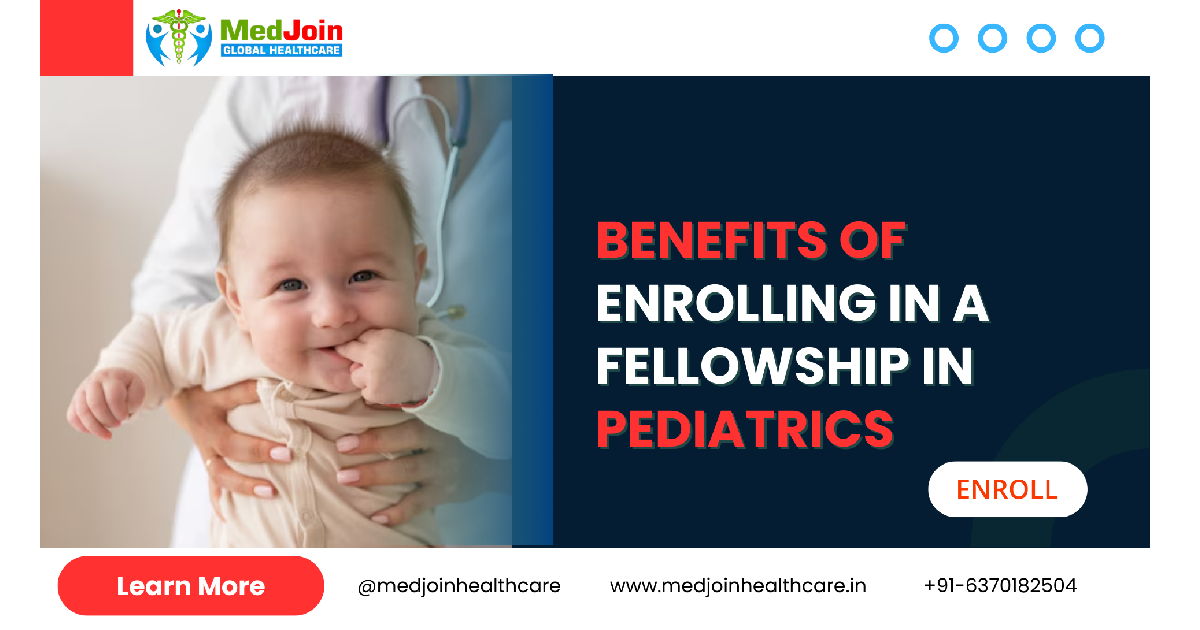
Pediatrics is more than a medical specialty—it is a commitment to safeguarding the health and future of the next generation. For doctors who are passionate about child health, enrolling in a Fellowship in Pediatrics can be a transformative step in their professional journey. A fellowship not only enhances clinical knowledge and practical expertise but also strengthens credibility, expands career opportunities, and builds confidence in managing complex pediatric cases.
In today’s rapidly evolving healthcare landscape, specialization is no longer optional—it is essential. A structured fellowship program equips medical professionals with advanced skills, updated clinical practices, and hands-on exposure required to excel in pediatric care. Below, we explore in depth the numerous benefits of enrolling in a Fellowship in Pediatrics and how it can significantly impact your career.
1. Advanced Clinical Knowledge and Expertise
A Fellowship in Pediatrics provides in-depth understanding beyond undergraduate and postgraduate training. While basic medical education covers general pediatric principles, a fellowship dives deeper into:
- Neonatal care
- Pediatric infectious diseases
- Pediatric emergency management
- Growth and developmental disorders
- Immunization protocols
- Pediatric nutrition
- Pediatric critical care
You gain exposure to evidence-based guidelines, advanced diagnostic approaches, and updated treatment protocols. This enhanced knowledge enables you to handle complex cases with greater accuracy and confidence.
2. Hands-On Practical Training
One of the biggest advantages of a fellowship program is structured hands-on training. Pediatric care often requires quick decision-making and specialized procedural skills. Through practical exposure, fellows learn:
- Neonatal resuscitation techniques
- Pediatric airway management
- IV and intraosseous access in children
- Lumbar puncture procedures
- Vaccination administration best practices
- Pediatric emergency stabilization
This real-world experience bridges the gap between theory and practice, making you clinically competent and confident.
3. Improved Patient Outcomes
Children are not just “small adults.” Their physiology, psychology, and disease progression differ significantly. Specialized training enables you to:
- Detect early warning signs
- Make precise diagnoses
- Administer age-appropriate treatments
- Provide holistic child-centered care
When pediatricians are well-trained, the result is improved patient outcomes, better recovery rates, and enhanced parental satisfaction.
4. Career Advancement Opportunities
A Fellowship in Pediatrics significantly boosts your professional profile. It helps you:
- Strengthen your CV
- Increase eligibility for senior roles
- Enhance opportunities in hospitals and specialty clinics
- Qualify for academic and teaching positions
- Open doors for international opportunities
In competitive healthcare markets, additional certification differentiates you from other practitioners.
5. Higher Earning Potential
With specialization comes increased professional value. Pediatricians with fellowship training often:
- Command higher consultation fees
- Gain priority in recruitment
- Attract more patients
- Secure better hospital affiliations
Advanced skills justify enhanced compensation, making fellowship training a valuable long-term investment.
6. Enhanced Confidence in Emergency Situations
Pediatric emergencies can be stressful and life-threatening. A fellowship program trains you to manage:
- Acute respiratory distress
- Febrile seizures
- Severe dehydration
- Pediatric trauma
- Anaphylaxis
- Neonatal complications
Confidence in emergency management reduces errors and improves survival rates.
7. Comprehensive Understanding of Growth and Development
Childhood development is a dynamic process. A fellowship enhances your ability to:
- Monitor developmental milestones
- Identify early developmental delays
- Manage behavioral disorders
- Counsel parents effectively
Early intervention can significantly change a child’s life trajectory.
8. Opportunities for Subspecialization
A fellowship in pediatrics can serve as a stepping stone to further subspecialties such as:
- Neonatology
- Pediatric Cardiology
- Pediatric Neurology
- Pediatric Endocrinology
- Pediatric Gastroenterology
It builds a strong foundation for further super-specialization.
9. Stronger Communication Skills with Parents
Pediatric practice involves managing not only children but also their families. Fellowship programs emphasize:
- Effective parental counseling
- Breaking difficult news sensitively
- Vaccine education
- Nutritional guidance
- Preventive care discussions
This strengthens trust and long-term patient relationships.
10. Research and Academic Opportunities
Many fellowship programs encourage research participation. Benefits include:
- Publishing academic papers
- Participating in clinical trials
- Presenting at conferences
- Staying updated with global guidelines
Research exposure enhances analytical thinking and professional credibility.
11. Networking with Experts
A fellowship connects you with:
- Senior pediatric consultants
- Subject matter experts
- Fellow doctors
- Academic mentors
These professional relationships often lead to collaborations, referrals, and career growth.
12. Contribution to Preventive Healthcare
Pediatrics is not only about treatment but also prevention. Fellowship training emphasizes:
- Immunization schedules
- Nutritional counseling
- Growth monitoring
- Early screening programs
You play a proactive role in building healthier communities.
13. Development of Leadership Skills
As a fellowship-trained pediatrician, you may take on roles such as:
- Department head
- Clinical coordinator
- Pediatric unit supervisor
- Academic trainer
The program nurtures leadership and decision-making capabilities.
14. Adaptability to Technological Advancements
Modern pediatric care involves:
- Digital growth tracking systems
- Telemedicine consultations
- Advanced imaging techniques
- Pediatric ICU monitoring systems
Fellowship programs familiarize you with modern tools and technologies.
15. Personal and Professional Satisfaction
Treating children brings immense emotional reward. Watching a sick child recover and grow healthy under your care provides deep professional satisfaction. Fellowship training strengthens your ability to make meaningful differences in young lives.
16. Better Preparedness for Private Practice
If you plan to start your own clinic, fellowship training equips you with:
- Clinical competence
- Diagnostic precision
- Parent counseling skills
- Preventive care planning
- Emergency handling capabilities
This builds patient trust and clinic reputation.
17. Structured Learning Environment
Unlike informal clinical exposure, a fellowship offers:
- Curriculum-based learning
- Case discussions
- Regular assessments
- Mentorship guidance
- Clinical audits
This systematic approach ensures thorough understanding.
18. Global Relevance
Child health guidelines are continuously evolving worldwide. Fellowship programs expose you to:
- International treatment protocols
- WHO immunization guidelines
- Evidence-based pediatric practices
This ensures global standard care delivery.
19. Increased Professional Recognition
Certification demonstrates commitment to excellence. It reflects:
- Dedication to child healthcare
- Continuous learning mindset
- Advanced clinical capability
Recognition enhances professional reputation.
20. Future-Proofing Your Medical Career
Healthcare is becoming increasingly specialized. General practice alone may not suffice in the future. Fellowship training ensures you remain relevant, competitive, and updated.
Enrolling in a Fellowship in Pediatrics is a strategic and rewarding career decision. It strengthens clinical expertise, enhances career opportunities, increases earning potential, and improves patient outcomes. Most importantly, it empowers you to deliver high-quality, compassionate care to children during their most vulnerable years.
For medical professionals who are passionate about child healthcare and committed to excellence, a Fellowship in Pediatrics is not just an academic qualification—it is a powerful step toward professional growth and societal impact.
Invest in specialization. Invest in children’s health. Invest in your future.