
The field of pediatrics is defined by its dedication to the health, growth, and well-being of children from infancy through adolescence. While a general pediatric residency equips physicians with core clinical skills, a Fellowship in Pediatrics takes learning to a more advanced, specialized level. Pediatric fellowships are highly structured postgraduate programs designed to produce physicians who are not only excellent clinicians, but also leaders in research, education, advocacy, and health systems. These programs play a critical role in shaping the future of doctors — influencing their competencies, career pathways, and contributions to society.
This essay explores how pediatric fellowship training impacts doctors on multiple levels: clinical excellence, research innovation, leadership development, global health, ethical practice, and societal transformation. The depth and breadth of fellowship experiences are examined alongside the challenges and evolving opportunities in pediatric medicine.
1. The Evolution of Pediatric Fellowship Training
1.1 Historical Context
Pediatrics emerged as a distinct medical discipline in the late 19th and early 20th centuries. Early training focused on general child health; however, the recognition that children require specialized care spurred the development of pediatric sub-specialties. The first fellowships were created in response to growing scientific knowledge about childhood diseases and the need for deeper expertise.
Over time, the complexity of pediatric care expanded — driven by advances in neonatology, cancer treatment, genetics, immunology, and critical care. Fellowship programs became essential for training physicians to manage complex conditions beyond what a residency could provide.
1.2 Modern Structure of Pediatric Fellowships
Today’s pediatric fellowships are rigorous, competency-based programs typically lasting 2–3 years (and up to 5 years in some subspecialties). Common pediatric subspecialties include:
- Pediatric Cardiology
- Neonatal-Perinatal Medicine
- Pediatric Critical Care
- Pediatric Oncology/Hematology
- Pediatric Endocrinology
- Pediatric Infectious Diseases
- Pediatric Gastroenterology
- Pediatric Pulmonology
- Child Neurology
Each fellowship has a structured curriculum combining clinical care, research, teaching, and often administrative leadership training.
2. Advancing Clinical Excellence
2.1 Mastery of Complex Clinical Skills
Fellowship training exposes physicians to advanced clinical scenarios that are often rare or high-risk. Fellows learn to diagnose and treat conditions such as congenital heart defects, pediatric cancers, metabolic disorders, and neonatal emergencies — skills beyond standard residency.
Through supervised, hands-on experience, future pediatric specialists:
- Perform advanced procedures (e.g., cardiac catheterization, bone marrow biopsies)
- Interpret complex diagnostic data
- Manage multi-system disease processes
- Provide care in intensive care and high-dependency settings
This depth of clinical training ensures that pediatric fellows develop confidence and precision in decision-making — critical attributes for advancing patient outcomes.
2.2 Evidence-Based and Patient-Centered Care
Fellowship programs emphasize evidence-based medicine. Fellows learn to critically appraise research, integrate new findings into practice, and tailor treatments to individual needs.
Patient-centered care — listening to families, respecting cultural values, and advocating for the child’s best interests — becomes central to clinical practice. These skills shape doctors who are compassionate clinicians as well as scientific thinkers.
3. Cultivating Research and Innovation
3.1 Training Doctor-Scientists
Many pediatric fellowships include dedicated research time. Fellows engage in laboratory, clinical, translational, or health systems research under mentorship. They learn:
- Research design and methodology
- Statistical analysis
- Grant writing
- Scientific communication
This foundation prepares physicians to contribute new knowledge, not just apply existing practices.
3.2 Driving Medical Advancements
Fellowship-trained pediatricians have led breakthroughs such as:
- Improved survival in preterm infants
- Targeted therapies for childhood cancers
- Genetic screening for metabolic disorders
- Vaccination strategies against emerging infections
These contributions have reshaped pediatric care and continue to influence broader medical practice.
4. Leadership Development in Healthcare
4.1 Operational and Administrative Skills
Modern health systems require physician leaders who understand both medicine and management. Pediatric fellowships often include training in:
- Healthcare policy and economics
- Quality improvement
- Risk management
- Team leadership
Graduates frequently take roles as division chiefs, hospital medical directors, or academic chairs.
4.2 Educators of the Next Generation
Fellowship training prepares physicians to teach residents, medical students, and allied health professionals. They design curricula, lead case conferences, and mentor learners — reinforcing a culture of excellence and inquiry.
Leadership skills developed during fellowship position doctors to influence the future of pediatric care at institutional and societal levels.
5. Advocacy and Community Health
5.1 Advocating for Child Health Policy
Pediatric fellows are uniquely positioned to advocate for policies that improve child health, such as:
- Vaccination programs
- Nutritional interventions
- Safe environments for children
- Rights for children with special health needs
They partner with government agencies, NGOs, and international health organizations to effect change.
5.2 Addressing Health Disparities
Children from marginalized communities often face disproportionate health burdens. Fellowship training frequently includes community health exposure, teaching doctors to recognize and intervene in social determinants of health.
This advocacy expands the role of pediatricians beyond hospital walls into the heart of communities.
6. Ethical Practice and Professionalism
6.1 Navigating Ethical Dilemmas
Pediatric care often involves complex ethical decisions — particularly when it concerns end-of-life care, consent, and resource allocation. Fellowship programs integrate bioethics into training, helping physicians balance medical judgment with ethical reasoning.
6.2 Promoting Professional Integrity
Fellowship nurtures professionalism: accountability to patients, reliability in clinical judgment, compassionate communication, and lifelong learning. These values shape doctors who uphold the highest standards of medical practice.
7. Global Health and Cross-Cultural Competence
7.1 Global Pediatric Initiatives
Many pediatric fellowships include global health experiences, allowing physicians to understand health systems in varied contexts. Exposure to different cultures and diseases enhances adaptability and cultural sensitivity.
Physicians return with:
- Broader clinical perspectives
- Skills in resource-limited settings
- Commitment to health equity
These attributes are particularly valuable in multicultural societies and international collaborations.
7.2 Preparing for Public Health Crises
The COVID-19 pandemic highlighted the importance of physician leaders in public health. Fellows trained in infectious diseases, epidemiology, and health systems were instrumental in response efforts, demonstrating how specialized training equips doctors for global challenges.
8. Interdisciplinary Collaboration
8.1 Team-Based Care
Pediatric fellowships emphasize collaboration with nurses, therapists, social workers, nutritionists, pharmacists, and other professionals. This teamwork fosters holistic care that addresses medical, developmental, and psychosocial needs.
8.2 Integration with Technology and AI
Fellowship training increasingly incorporates:
- Telemedicine
- Electronic health records optimization
- AI-assisted diagnostics
By blending clinical expertise with technological literacy, pediatricians become innovators in care delivery.
9. Career Opportunities and Professional Fulfillment
9.1 Diverse Career Paths
Pediatric fellowship graduates pursue careers in:
- Academic medicine
- Hospital leadership
- Community pediatric clinics
- Research institutions
- Public health agencies
- Industry (pharmaceuticals, biotechnology)
This diversity rewards physicians with autonomy to shape their careers.
9.2 Personal and Professional Growth
Fellowship pushes physicians beyond routine practice. They learn resilience, critical thinking, and emotional intelligence — qualities that enrich both professional success and personal fulfillment.
10. Challenges in Pediatric Fellowship Training
10.1 Burnout and Work–Life Balance
The intensity of fellowship can contribute to burnout. Long hours, high expectations, and emotional burden of caring for critically ill children require proactive support systems.
Programs are increasingly integrating:
- Wellness initiatives
- Mentorship
- Flexible scheduling
to promote sustainable careers.
10.2 Access and Equity in Training Opportunities
Not all physicians have equal access to fellowship positions — influenced by geography, institutional resources, and funding mechanisms. Expanding fellowship opportunities globally remains a priority to ensure equitable expertise distribution.
10.3 Balancing Clinical and Research Demands
Pursuing both high-level clinical competence and meaningful research output is demanding. Fellows often struggle to balance these dual expectations without adequate time and support.
Effective mentorship and institutional investment are key to addressing this challenge.
11. The Future of Pediatric Fellowship and Medicine
11.1 Precision Medicine and Genomics
Fellowship training is evolving to include genomics, personalized therapy planning, and advanced diagnostics. Pediatric specialists will increasingly tailor treatments based on genetic and molecular profiles.
11.2 Expansion of Telehealth and Virtual Training
Telehealth is reshaping access to specialty care. Future fellowship models may integrate virtual rotations, remote mentoring, and global training collaborations.
11.3 Emphasis on Preventive and Population Health
As health systems emphasize preventive care, pediatric fellows will play a central role in early disease detection, chronic disease management, and population health strategies.
12. Personal Narratives: Fellowship Impact
12.1 Story of a Neonatal Fellow
Dr. A, trained in Neonatal-Perinatal Medicine, recounts saving a preterm infant’s life through advanced respiratory management — a skill acquired during fellowship. She now leads a neonatal outreach program in underserved regions, transforming care delivery.
12.2 Story of an Infectious Diseases Specialist
Dr. B, an Infectious Diseases fellow, contributed to a clinical trial on pediatric vaccines. His research not only advanced science but also shaped public health policy — demonstrating how fellowship empowers doctors to serve communities globally.
These narratives reflect the transformative power of advanced training.
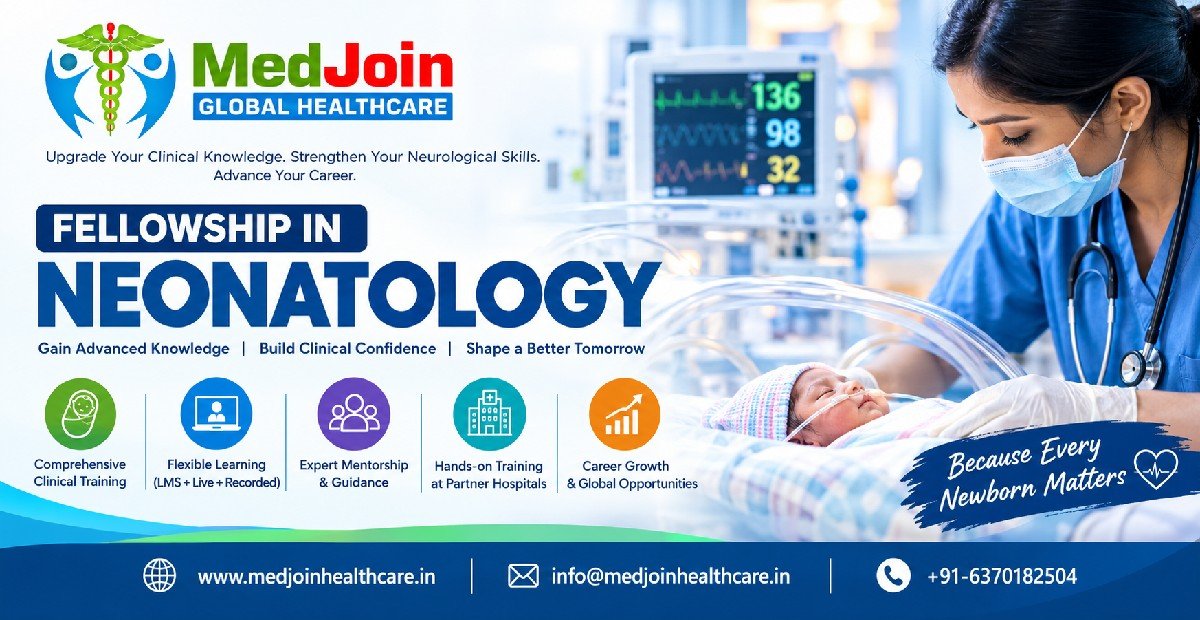
Neonatology Fellowship — Training & Impact
A Neonatal-Perinatal Medicine Fellowship is typically a three-year, ACGME-accredited training program that prepares physicians to care for critically ill newborn infants, especially those born preterm or with complex medical issues. Fellows gain a broad exposure across the entire continuum of neonatal care — including delivery room management, NICU care, subspecialty collaboration, and follow-up clinics.
Key Components:
- Clinical excellence: Fellows manage diverse neonatal conditions — from respiratory failure to congenital anomalies — often within multidisciplinary teams.
- Research & scholarship: Programs like the one at Children’s Hospital of Philadelphia emphasize structured research tracks with mentorship, scholarly project completion, and exposure to biostatistics and epidemiology.
- Competency development: Delphi-derived core competency frameworks are increasingly used internationally to ensure fellows acquire practical, context-relevant skills.
- Ongoing debate about duration: There’s active discussion in the literature about whether current three-year models should shift to two years for clinically focused trainees, highlighting the need for procedural excellence and quality assurance literacy.
Impact on Future Doctors
- Produces clinical leaders in newborn care who can function autonomously and innovate improvements in NICU practice standards.
- Strengthens physician-scientist pathways by integrating research, which has contributed to a dramatic rise in neonatal clinical trials over recent decades.
- Enhances collaborative care skills with allied disciplines like cardiology, surgery, nutrition, and developmental psychology — which are essential in complex pediatric systems.
Pediatric Hematology/Oncology Fellowship
Summary
The Pediatric Hematology/Oncology Fellowship is a multi-year subspecialty training program — usually a minimum of three years — that develops expertise in diagnosing, treating, and researching blood disorders and childhood cancers.
Core Training Domains:
- Clinical care of malignant and non-malignant conditions: Fellows learn to manage leukemia, lymphomas, solid tumors, hemophilia, coagulopathies, and sickle-cell disease.
- Academic and research skills: The curriculum builds strengths in evidence-based practice, scholarly inquiry, and educational communication. This foundation helps trainees function in tertiary care and academic settings.
- System-based practice and interdisciplinary work: Fellows develop competencies in patient care coordination, communication, quality improvement, and ethical practice — core elements that shape future leaders.
Impact on Future Doctors
- Equips physicians to lead cancer care programs, including blood and marrow transplant services.
- Fosters clinician-researchers capable of contributing to pediatric oncology trials, supportive care improvements (e.g., nutritional strategies), and long-term survivorship planning.
- Shapes thought leaders who can mentor trainees and contribute to policy and practice guidelines in oncology.
Broader Pediatric Subspecialties — Landscape & Workforce
Summary Figure: Fellowship Popularity & Workforce Trends
| Subspecialty | Match Fill Rate (approx.) | Notes |
|---|---|---|
| Pediatric Gastroenterology | ~94% | High demand training niche. |
| Pediatric Critical Care Medicine | ~97% | Strong pull to intensive care expertise. |
| Neonatal-Perinatal Medicine | ~92% | Robust interest despite workforce shortages. |
| Pediatric Hematology/Oncology | ~90% | Competitive academic specialty. |
| Pediatric Pulmonology | ~63% | Lower match fill reflects workforce gaps. |
| Pediatric Endocrinology | ~65% | Indicates challenges in pipeline sustainability. |
Figure source: Compiled from workforce data showing variability in fellowship fill rates across sub-specialties — highlighting areas of strength and shortage within pediatric subspecialty training.
Interpretation & Impact
- The match fill rates highlight which pediatric fellowships attract trainees and which struggle — data that reflects not only trainee interest but also health system needs and resource distribution.
- Trends like lower fill rates in pulmonology and endocrinology suggest potential areas for targeted investment to ensure balanced pediatric care capacity in the future.
- A workforce perspective underscores the importance of fellowship training in meeting the evolving healthcare needs of infants, children, and adolescents, reinforcing the original essay’s theme of shaping future pediatrics.
Global and Interdisciplinary Opportunities
Global Health within Pediatric Fellowships
While not always emphasized, recent surveys show that fellowship programs are increasingly integrating global health and cross-cultural clinical experiences, which broaden trainees’ perspectives and enhance health equity competencies.
- These opportunities can allow fellows to work in resource-limited settings, gaining skills that are transferable to underserved communities anywhere, including within urban or rural pediatrics.
- Exposure to global health challenges builds adaptability, cultural sensitivity, and a systems-thinking approach that benefits all future pediatric leaders.
How to Integrate These Sections into Your Essay
Here’s a suggestion for placement within your existing structure:
- After the “Neonatology Fellowship” subsection — insert the Neonatology summary with clinical, research, and systems impact, citing sources.
- After “Pediatric Oncologic Care” or similar — add the Hematology/Oncology Fellowship section.
- Within the workforce or trends discussion — incorporate the match fill rate figure for broader pediatric subspecialties to provide empirical context.
- In the “Global Health & Collaboration” section — add the global health opportunities paragraph to highlight cross-cultural training influence.
Conclusion
A Fellowship in Pediatrics is far more than an academic credential — it is a transformative journey that shapes doctors into clinicians, researchers, educators, leaders, advocates, and innovators. By deepening clinical expertise, fostering scientific inquiry, and broadening perspectives on health systems and society, pediatric fellowship training prepares physicians to meet the complex health challenges of the 21st century.
In an era of rapid medical advancements, global health challenges, and evolving healthcare delivery, fellowship-trained pediatricians will continue to define the future of medicine — improving outcomes for children and families around the world.