
We Build Building and Great Constructive Homes.
We successfully cope with tasks of varying complexity, provide long-term guarantees and regularly master new technologies.
Course Description
The Fellowship in Radiology is an advanced training program designed for medical professionals seeking specialized expertise in diagnostic and interventional imaging. This fellowship provides in-depth exposure to a wide range of radiological modalities, including MRI, CT, ultrasound, and interventional radiology, enabling fellows to refine their diagnostic skills and clinical decision-making.
Participants will work alongside experienced radiologists in a multidisciplinary setting, gaining hands-on experience in interpreting complex imaging studies, performing image-guided procedures, and understanding the latest advancements in radiological technology. The curriculum includes case-based learning, research opportunities, and clinical rotations in subspecialties such as neuroradiology, musculoskeletal imaging, abdominal imaging, and cardiothoracic radiology.
This fellowship is ideal for radiologists looking to enhance their expertise, pursue academic research, or prepare for leadership roles in radiology departments. Graduates of the program will be well-equipped to provide high-quality patient care and contribute to advancements in medical imaging.
After completing a Fellowship in Radiology, you can expect:-
1. Career Advancement
- Specialization: You will become a subspecialist in fields like Neuroradiology, Musculoskeletal Imaging, Interventional Radiology, Pediatric Radiology, etc.
- Higher Earning Potential: Subspecialized radiologists often earn higher salaries compared to general radiologists.
- Leadership Roles: You may qualify for senior positions in hospitals, academic institutions, or private practices.
2. Job Opportunities
- Hospitals & Clinics: Work as a consultant radiologist in multispecialty hospitals.
- Academic & Research Institutions: Engage in teaching and advanced research.
- Private Practice: Start your own imaging center or join a group practice.
- Teleradiology: Read scans remotely for hospitals globally.
3. Advanced Clinical Skills
- Cutting-edge Imaging Techniques: Proficiency in MRI, CT, PET, ultrasound, and interventional procedures.
- Interventional Radiology Expertise: Perform minimally invasive procedures guided by imaging.
- Diagnostic Accuracy: Improve your ability to detect complex diseases early.
4. Global Opportunities
- International Jobs: Many countries recognize fellowship training and offer better job prospects.
- Board Certifications: A fellowship can help qualify you for exams like FRCR (UK), ABR (USA), or RANZCR (Australia).
5. Research & Teaching
If you're interested in academics, you can contribute to medical research, publish papers, and train upcoming radiologists.
Fellowship in Radiology | 1-Year Online Fellowship Program
Advance Your Career with a Fellowship in Radiology
The Fellowship in Radiology is a comprehensive 1-year online professional training program designed for medical graduates and practicing healthcare professionals who wish to strengthen their knowledge and clinical expertise in diagnostic imaging. The program provides in-depth education in modern radiology, covering the latest imaging technologies, interpretation techniques, and evidence-based clinical applications across multiple subspecialties.
Developed by experienced radiologists and academic experts, the curriculum combines flexible online learning with practical clinical insights to help participants confidently interpret radiological investigations and improve diagnostic decision-making in day-to-day practice. Whether you aspire to enhance your clinical skills, prepare for higher responsibilities, or expand your career opportunities, this fellowship provides structured, industry-relevant training that aligns with current healthcare standards.
The curriculum includes essential and advanced topics such as musculoskeletal radiology, neuroradiology, cardiothoracic imaging, abdominal imaging, breast imaging, pediatric radiology, emergency radiology, head and neck imaging, interventional radiology, oncologic imaging, ultrasound, computed tomography (CT), magnetic resonance imaging (MRI), nuclear medicine, and image-guided procedures. Learners also gain exposure to radiological anatomy, imaging protocols, structured reporting, radiation safety, quality assurance, and the latest developments in artificial intelligence (AI) applications in radiology.
The fellowship is delivered through an advanced Learning Management System (LMS) featuring recorded video lectures, downloadable study materials, case discussions, clinical presentations, self-assessment quizzes, and regular live interactive sessions with expert faculty. This flexible learning model allows participants to study at their own pace while balancing clinical practice and professional commitments.
Upon successful completion, participants will possess enhanced competency in selecting appropriate imaging modalities, recognizing normal and abnormal imaging findings, understanding disease-specific radiological patterns, and applying imaging effectively in patient management. The program emphasizes clinical correlation, multidisciplinary collaboration, and evidence-based imaging practices that are highly valued in modern healthcare institutions.
Why Choose This Fellowship?
- Comprehensive 1-year online fellowship program
- Flexible, self-paced learning with lifetime access to study materials
- Expert faculty with extensive academic and clinical experience
- Comprehensive curriculum covering major radiology subspecialties
- Live online academic sessions and case-based discussions
- Practical, clinically focused learning approach
- Exposure to current advances, including AI in radiology
- Ideal for career advancement and professional upskilling
Whether you are an early-career doctor seeking specialized training or an experienced practitioner aiming to update your radiological knowledge, the Fellowship in Radiology provides a strong academic foundation and practical expertise to excel in today's rapidly evolving imaging landscape. Join the program and develop the skills required to deliver accurate, timely, and patient-centered diagnostic care while advancing your professional growth in one of the most dynamic specialties in modern medicine.
Course Highlight
Modules Comprehensive modules covering various aspects of nutrition & dietetics.
Assessments Quizzes, assignments to test your knowledge and skills.
Certification Certified Nutritionist credential upon completion.
Key Features
Cutting-Edge Technology & Facilities
Access to advanced imaging technologies (MRI, CT, PET, ultrasound, etc.). State-of-the-art radiology labs and interventional suites. AI and machine learning integration in imaging.
Renowned Faculty & Mentorship
- A team of distinguished radiologists with expertise in various subspecialties.
- One-on-one mentorship and case discussions.
- Strong academic and research backing.
Comprehensive Training & Subspecialties
- Broad exposure to different fields (neuroradiology, musculoskeletal, pediatric, cardiac, etc.).
- High-volume and diverse case mix for hands-on learning.
- Opportunity to participate in multidisciplinary team discussions.
Research & Innovation
- Encouragement for fellows to participate in groundbreaking research.
- Access to research funding, conferences, and publication opportunities.
- Collaboration with biomedical engineers and data scientists.
Strong Clinical Exposure & Hands-On Experience
- High patient volume ensuring ample learning opportunities.
- Real-world exposure to complex cases.
- Structured curriculum with progressive responsibilities.
Career Advancement & Networking
- Strong alumni network in prestigious institutions worldwide.
- Guidance for career pathways in academia, private practice, or industry.
- Exposure to national and international conferences.
Course Structure
- Introduction to Radiological Sciences
- Basic Principles of Imaging Modalities
- Radiographic Anatomy and Physiology
- Introduction to Radiological Pathology
- Interpretation of X-rays
- Advanced Techniques in MRI and CT Imaging
- Nuclear Medicine and Molecular Imaging
- Interventional Radiology Procedures
- Interventional Radiology
- Vascular and Non-Vascular Interventional Procedures
- Innovations in Interventional Radiology
- Musculoskeletal Radiology
- Neuroimaging
- Pediatric Radiology
- Breast Imaging
- Cardiothoracic Imaging
- Imaging of the gastrointestinal tract (X-ray, CT, MRI)
- Imaging of liver, pancreas, kidney and spleen.
- Abdominal interventional radiology.
- State-of-the-art imaging in cancer staging and evaluation.
- Trauma and emergency medicine Radiology.
- Acute imaging (e.g., internal bleeding, stroke, cardiac emergencies, etc.)
- Handling critical patients and radiological assessment in the ER
- The multidisciplinary approach to the diagnosis and care of emergencies.
- Finally, more advanced MRI methods: spectroscopy, functional MRI and contrast enhanced imaging.
- Cardiac MRI and MR angiography.
- CT angiography, dual-energy CT and virtual colonoscopy.
- Imaging artifacts and troubleshooting.
- Correct and efficient radiological reporting techniques.
- Case-based learning: understanding complex cases.
- Reporting procedures, records and legal aspects.
- Radiology peer review and feedback.
- Ethical issues in diagnostic imaging.
- Patient consent, confidentiality, and data protection.
- The legal aspects of radiology practice.
- Radiology in medico-legal cases
- Introduction to research design and methodology
- Radiology systematic reviews and meta-analysis.
- Radiology evidence-based practice and clinical guidelines.
- Publication procedure and introduction of research results.
- State of the art MRI in neuroimaging: spectroscopy, functional MRI, and Diffusion Tensor Imaging (DTI)
- Imaging of neurological disorders: multiple sclerosis, epilepsy, and neuro-oncology
- Cerebral vascular diseases: strokes, aneurysm and vascular malformations MRI/CT angiography.
- Functional neuroimaging: neuroanatomy of networks and connectivity.
- Background of molecular imaging and precision medicine.
- PET and PET-CT in cancer, cardiology and neurology.
- Radiopharmaceuticals and its uses.
- The future of molecular imaging: PETMRI hybrid.
- Artificial Intelligence (AI) in diagnostic image processing.
- Image processing and image interpretation machine learning algorithms.
- AI tools for image recognition: detecting pathology, tumor segmentation, and radiomics
- Future challenges and ethical aspects of AI-driven radiology.
- The ultrasound High-resolution ultrasound techniques and ultrasound applications in musculoskeletal, abdominal, and vascular imaging.
- Contrast-enhanced ultrasound (CEUS) in liver and renal diseases
- Elastography and its use in the evaluation of tissue hardness (liver fibrosis, tumors)
- 3D/4D Ultrasound: developments in obstetrics and cardiology and urology.
- Radiological examination of common and new infectious diseases (COVID-19, tuberculosis, HIV, fungal infections)
- Imaging of tropical diseases and endemic infections.
- Use of CT, MRI and Ultrasound in diagnosing and monitoring the treatment of infections.
- Radiological appearance of systemic infections and their complications.
- Principles of hybrid imaging (PET-MRI, PET-CT, SPECT-CT)
- Oncology, neurology and cardiology.
- Case studies: Diagnosis by integrating anatomy and functional information.
- Role in personalized treatment planning and monitoring
Eligibility
Board-certified or board-eligible radiologists / postgraduate medical professionals in radiology
Course Fee
Course Fee ₹155,000.00
Registration Fee ₹10,000.00
Total Fee ₹130,000.00
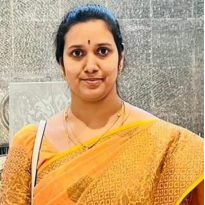
DR. KATIKANENI, SAI SHREYA
M.D. General Physician, Moscow, Russia) M.sc. Multi-disciplinary Radiology, Ireland) Advanced PG in Cardiology (Harvard)
This course includes:
₹165,000.00
₹130,000.00
(including registration fees of 10,000.00)
Why Choose Us
Because your growth deserves nothing but the best in medical education.

Expert-Driven Curriculum
Our program is designed in collaboration with leading healthcare professionals to ensure you receive the most up-to-date and relevant education.

Flexible Learning Environment
Access course materials online anytime, allowing you to balance your studies with your professional and personal commitments.

Comprehensive Support
Benefit from continuous support from experienced tutors and academic advisors dedicated to your success

Interactive Learning
Engage with a variety of interactive learning tools, including real-life case studies, practical assignments, and virtual simulations.

Networking Opportunities
Connect with a diverse community of learners and professionals, providing valuable networking opportunities and peer support

Affordable Education
We offer competitive pricing with flexible payment plans and financial aid options to make your education more accessible.

Recognized Certification
Obtain a certification that is respected and recognized in the healthcare industry, enhancing your professional credentials and career prospects

Career Support
Beyond education, we provide comprehensive career guidance, job placement assistance guarantee, and ongoing professional development support.
What Our Allumini Saying
Discover How MedJoin Global Healthcare Is Transforming Careers Worldwide.
The radiology fellowship at Medjoin features a comprehensive curriculum, dynamic sessions, and experienced faculty. It’s a great option for those aiming to earn certification in the field. I highly recommend it!


The radiology fellowship at Medjoin features a comprehensive curriculum, dynamic sessions, and experienced faculty. It’s a great option for those aiming to earn certification in the field. I highly recommend it!

Medjoin’s radiology fellowship offers a well-rounded curriculum, interactive sessions, and expert faculty. It’s an excellent choice for anyone looking to pursue certification in the field. Highly recommended!

Frequently Asked Questions
A Radiology Fellowship is an advanced training program for radiologists who have completed their residency. It provides specialized training in a particular area of radiology, such as neuroradiology, musculoskeletal imaging, or interventional radiology.
Common subspecialties include:
- Neuroradiology
- Musculoskeletal Radiology
- Abdominal Imaging
- Cardiothoracic Imaging
- Pediatric Radiology
- Breast Imaging
- Interventional Radiology
- Nuclear Medicine
Most fellowships last one year, but some specialized programs, such as interventional radiology or neuroradiology, may extend to two years.
- Enhanced expertise in a specific area
- Increased job opportunities and career advancement
- Hands-on experience with advanced imaging techniques
- Higher earning potential in specialized radiology fields
- The application process typically involves:
- Submitting an application through the institution’s website or a centralized system (e.g., ERAS for the U.S.)
- Providing a CV, letters of recommendation, and personal statement
- Attending interviews (in-person or virtual)
Fellows typically secure positions in hospitals, academic institutions, or private practices, with higher salaries and better career growth opportunities compared to general radiologists.
Sign up today and be the first to
access our exclusive offers
MedJoin Global Healthcare is an online learning platform designed to foster interaction and knowledge exchange among participants. Through discussion forums, live webinars, and virtual networking events, learners can connect with peers worldwide.
- SK 30, Sector 116, Noida, Uttar Pradesh 201301
- +91 63701 82504
- info@medjoinhealthcare.in
We Accept Payments Using: