

We Build Building and Great Constructive Homes.
We successfully cope with tasks of varying complexity, provide long-term guarantees and regularly master new technologies.
Course Description
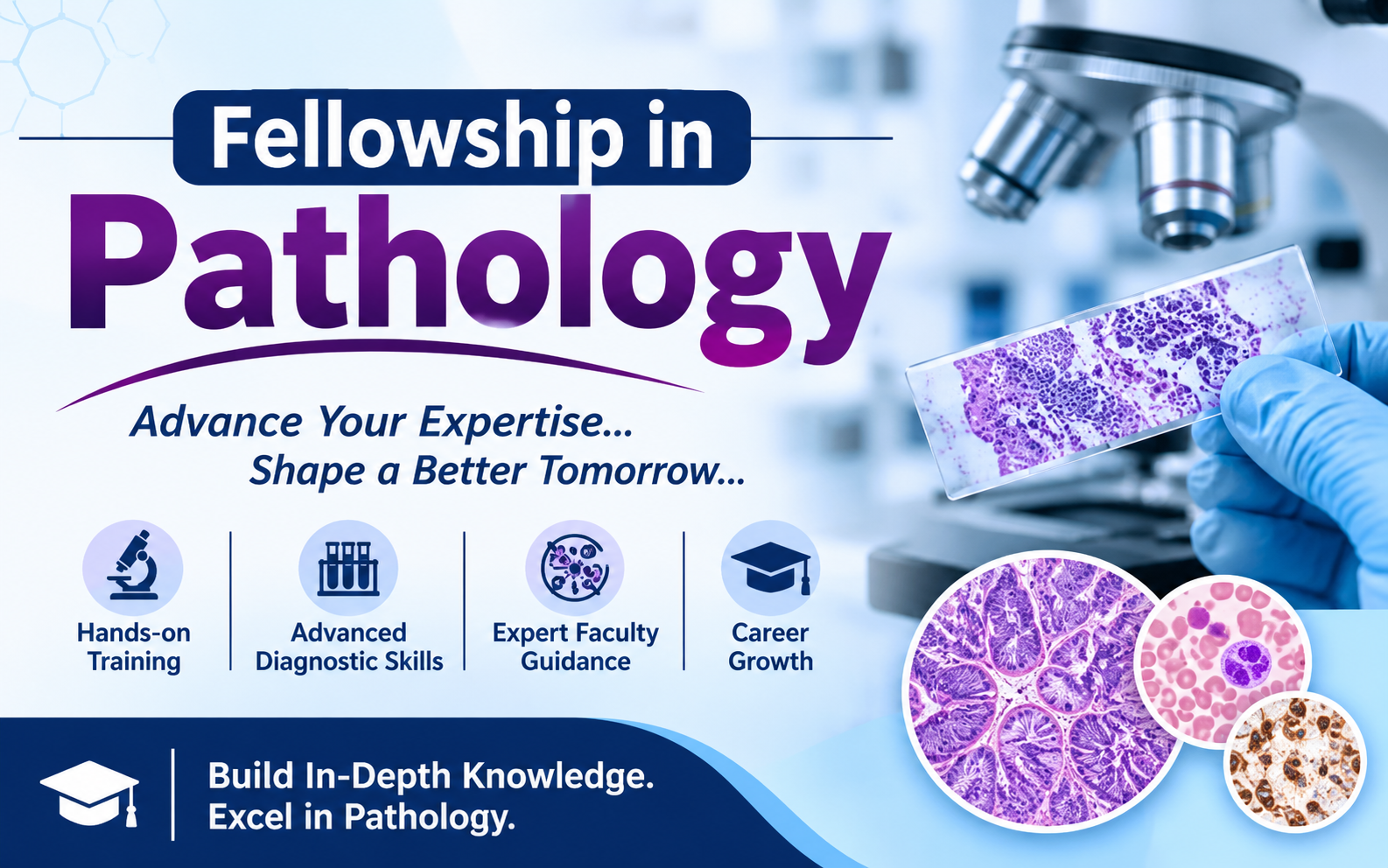
The Fellowship in Pathology is a specialised professional development programme designed for medical graduates and healthcare professionals who wish to strengthen their knowledge and practical understanding of disease diagnosis, laboratory medicine, and pathological investigations. Pathology plays a fundamental role in modern healthcare by helping clinicians identify diseases, understand their progression, determine appropriate treatment strategies, and monitor patient outcomes. This fellowship provides an opportunity to develop a comprehensive understanding of pathological principles, diagnostic methodologies, and laboratory practices through structured academic learning and clinical exposure.
The programme covers essential areas of pathology, including general pathology, systemic pathology, haematology, histopathology, cytopathology, clinical pathology, microbiology, immunopathology, and molecular pathology. Participants gain insights into cellular injury, inflammation, tissue repair, neoplasia, genetic abnormalities, infectious diseases, and various pathological conditions affecting different organ systems. Special emphasis is placed on understanding laboratory investigations, interpreting diagnostic reports, identifying abnormal findings, and correlating pathological results with clinical presentations.
The academic curriculum introduces learners to modern diagnostic techniques, specimen collection and processing, tissue fixation, staining methods, microscopic examination, biopsy interpretation, and laboratory quality management. Participants also explore the importance of accurate documentation, laboratory safety, infection control, and quality assurance in diagnostic environments. The programme may include recorded lectures, interactive online sessions, case-based discussions, digital learning resources, assessments, and expert-led academic guidance.
The fellowship aims to bridge the gap between theoretical medical knowledge and practical diagnostic understanding. Through clinical case discussions and exposure to laboratory workflows, participants develop greater confidence in understanding pathological findings and their relevance to patient management. It is particularly beneficial for doctors interested in laboratory medicine, diagnostic services, academic development, and specialised healthcare practice.
Fellowship in Advanced Diagnostic Pathology
The Fellowship in Advanced Diagnostic Pathology is an advanced learning programme designed for medical professionals who want to develop specialised knowledge of contemporary diagnostic pathology and emerging laboratory technologies. With the rapid advancement of medical science, diagnostic pathology has evolved beyond conventional microscopic examination to incorporate sophisticated techniques such as immunohistochemistry, molecular diagnostics, immunofluorescence, digital pathology, and advanced biomarker analysis.
This fellowship focuses on strengthening diagnostic knowledge through advanced concepts, modern investigation techniques, and evidence-based pathological interpretation. The curriculum explores advanced histopathology, cytopathology, haematopathology, surgical pathology, immunohistochemistry, molecular pathology, oncopathology, and diagnostic approaches to complex diseases.
Participants gain an understanding of advanced tissue examination, tumour classification, grading and staging, differential diagnosis, biomarker identification, and molecular alterations associated with different malignancies. Special attention is given to the diagnosis of cancers, haematological disorders, autoimmune diseases, infectious conditions, and complex multisystem disorders.
The programme also introduces learners to modern diagnostic technologies, including polymerase chain reaction (PCR), fluorescence in situ hybridisation (FISH), next-generation sequencing (NGS), flow cytometry, and digital slide analysis. Case-based learning helps participants understand how advanced pathological investigations contribute to accurate diagnosis, prognosis assessment, personalised treatment planning, and disease monitoring.
Both fellowship programmes offer opportunities for academic advancement through structured online learning and, where applicable, hybrid or hospital-based clinical and laboratory exposure. The combination of theoretical education, expert discussions, diagnostic case studies, and practical learning opportunities supports professional development.
These programmes are suitable for MBBS graduates, practising doctors, pathology residents, and eligible healthcare professionals seeking to expand their understanding of diagnostic pathology. By developing knowledge of conventional and advanced diagnostic approaches, participants can enhance their professional competencies and explore opportunities in diagnostic laboratories, hospitals, pathology departments, medical research, and academic institutions.
Highlights
- Comprehensive 12-month advanced fellowship program in Pathology.
- Interactive clinical workshops featuring real-world diagnostic case studies.
- Flexible, self-paced learning through online and hybrid learning formats.
- In-depth curriculum covering major disciplines and specialties within Pathology.
- Learn from experienced pathologists with extensive diagnostic and clinical expertise.
- Gain practical clinical exposure through collaborations with reputed diagnostic laboratories and leading hospitals.
What You’ll Able to Do Post Completion
- Develop a systematic approach to managing common outpatient conditions across different age groups.
- Implement preventive healthcare strategies and chronic disease management protocols in routine OPD practice.
- Enhance clinical decision-making and diagnostic skills through interactive, case-based discussions.
- Strengthen your professional credentials with a accredited certification.
Why Choose a Fellowship in Pathology?
Pathology is one of the most important branches of modern medicine, playing a vital role in disease identification, diagnosis, prognosis, and treatment planning. Choosing a Fellowship in Pathology provides medical professionals with an opportunity to strengthen their understanding of disease mechanisms, laboratory investigations, tissue analysis, and diagnostic procedures. The programme helps participants develop a deeper understanding of how pathological findings contribute to clinical decision-making and patient care.
With continuous advancements in medical science, diagnostic pathology is evolving through modern technologies such as histopathology, cytopathology, immunohistochemistry, molecular diagnostics, and digital pathology. A specialised fellowship allows participants to explore these developments, understand advanced diagnostic approaches, and improve their ability to interpret pathological reports and clinical case studies.
The programme offers structured academic learning, expert-led sessions, case-based discussions, and opportunities for practical exposure, depending on the selected learning format. It is beneficial for MBBS graduates, practising doctors, pathology residents, and eligible healthcare professionals seeking additional knowledge and professional development.
A Fellowship in Pathology can also help learners explore opportunities in diagnostic laboratories, hospital pathology departments, medical research, academic institutions, and laboratory medicine. By combining fundamental concepts with contemporary diagnostic knowledge, the programme supports continuous medical education and helps healthcare professionals stay informed about evolving diagnostic practices.
Advance your diagnostic knowledge and strengthen your understanding of modern pathology with MedJoin Global's Fellowship in Pathology.
Candidate-Specific Learning Pathways
The curriculum can be delivered at different academic levels according to the participant's existing qualifications.
|
Qualification |
Recommended academic focus |
|---|---|
|
MBBS |
Foundation in diagnostic pathology, laboratory medicine, basic slide interpretation and clinical correlation |
|
MD Pathology |
Advanced histopathology, cytopathology, hematopathology, IHC, molecular diagnostics and complex case discussions |
|
MS |
Surgical specimen handling, clinicopathological correlation, tumour pathology, diagnostic investigations and multidisciplinary discussions |
Course Highlight
Modules Comprehensive modules covering various aspects of nutrition & dietetics.
Assessments Quizzes, assignments to test your knowledge and skills.
Certification Certified Nutritionist credential upon completion.
Key Features
Comprehensive Curriculum
Covers general pathology, systemic pathology, histopathology, cytopathology, and clinical pathology.
Expert-Led Learning
Learn through sessions guided by experienced medical professionals and subject experts.
Advanced Diagnostic Knowledge
Understand modern diagnostic techniques and laboratory investigations.
Case-Based Discussions
Explore clinical cases to strengthen diagnostic understanding.
Course Structure
- Introduction to diagnostic pathology and its clinical applications.
- Cellular adaptations, cell injury and cell death.
- Acute and chronic inflammation.
- Tissue repair and wound healing.
- Hemodynamic disorders, thrombosis and embolism.
- Immunopathology and hypersensitivity reactions.
- Autoimmune disorders and immunodeficiency.
- Genetic disorders and molecular basis of diseases.
- Neoplasia, carcinogenesis and tumour biology.
- Grading, staging and classification of tumours.
- Introduction to histopathology and tissue processing.
- Specimen collection, fixation and gross examination.
- Tissue processing, embedding and microtomy.
- Routine staining techniques (H&E).
- Special stains and their diagnostic applications.
- Microscopic examination of tissue sections.
- Interpretation of benign and malignant lesions.
- Surgical specimen handling and reporting.
- Histopathological reporting formats.
- Clinicopathological correlation.
- Principles and applications of cytopathology.
- Fine Needle Aspiration Cytology (FNAC).
- Exfoliative cytology.
- Cervical cytology and Pap smear interpretation.
- Thyroid cytopathology.
- Breast cytopathology.
- Lymph node cytology.
- Respiratory tract cytology.
- Urinary tract cytology.
- Body fluid cytology.
- Introduction to liquid-based cytology.
- Cytological diagnosis of benign, inflammatory and malignant conditions.
- Introduction to hematology and laboratory investigations.
- Complete Blood Count (CBC) interpretation.
- Peripheral blood smear examination.
- Red blood cell disorders and anemia classification.
- Iron deficiency anemia and megaloblastic anemia.
- Hemolytic anemia and thalassemia.
- White blood cell disorders.
- Acute and chronic leukemias.
- Myeloproliferative neoplasms.
- Myelodysplastic syndromes.
- Lymphoproliferative disorders.
- Platelet disorders and coagulation abnormalities.
- Bone marrow aspiration and biopsy principles.
- Interpretation of bone marrow findings.
- Routine urine examination.
- Stool examination and interpretation.
- Semen analysis.
- Body fluid analysis (CSF, pleural, peritoneal and synovial fluids).
- Renal function tests.
- Liver function tests.
- Thyroid function tests.
- Cardiac biomarkers.
- Electrolytes and acid-base balance.
- Clinical interpretation of biochemical investigations.
- Laboratory diagnostic algorithms.
- Correlation of laboratory findings with clinical conditions.
- Cardiovascular pathology.
- Respiratory system pathology.
- Gastrointestinal tract pathology.
- Liver and biliary system pathology.
- Pancreatic pathology.
- Renal and urinary tract pathology.
- Male and female reproductive system pathology.
- Breast pathology.
- Endocrine system pathology.
- Central and peripheral nervous system pathology.
- Musculoskeletal pathology.
- Skin pathology.
- Lymph node and spleen pathology.
- Paediatric and developmental pathology.
- Principles of immunohistochemistry.
- Antigen-antibody reactions.
- Tissue preparation and antigen retrieval.
- IHC staining procedures.
- Interpretation of immunohistochemical markers.
- Epithelial and mesenchymal markers.
- Lymphoma and leukemia immunophenotyping.
- Breast cancer biomarkers: ER, PR and HER2.
- Ki-67 proliferation index.
- Diagnostic applications of CD markers.
- Special histochemical stains.
- Introduction to immunofluorescence.
- Introduction to molecular pathology.
- DNA and RNA extraction principles.
- Polymerase Chain Reaction (PCR).
- Real-Time PCR.
- Fluorescence In Situ Hybridization (FISH).
- Cytogenetics and chromosomal abnormalities.
- Molecular diagnosis of hematological malignancies.
- Molecular biomarkers in solid tumours.
- Next-Generation Sequencing (NGS).
- Genetic mutations and targeted therapy biomarkers.
- Introduction to precision medicine.
- Applications of molecular pathology in cancer diagnosis.
- Introduction to blood banking.
- ABO and Rh blood grouping.
- Cross-matching procedures.
- Blood component preparation.
- Blood donor screening.
- Transfusion-transmitted infections.
- Transfusion reactions and complications.
- Hemolytic disease of the fetus and newborn.
- Blood storage and inventory management.
- Transfusion safety and quality control.
- Laboratory organization and workflow management.
- Pre-analytical, analytical and post-analytical processes.
- Standard Operating Procedures (SOPs).
- Internal Quality Control (IQC).
- External Quality Assessment (EQA).
- Laboratory accreditation concepts and ISO 15189.
- Equipment calibration and maintenance.
- Sample collection, labelling and transportation.
- Biomedical waste management.
- Laboratory biosafety and infection control.
- Documentation and record management.
- Critical value reporting and turnaround time management.
- Error identification and corrective actions.
- Introduction to digital pathology.
- Whole Slide Imaging (WSI).
- Digital slide preparation and interpretation.
- Telepathology and remote consultation.
- AI-assisted histopathological analysis.
- Machine learning applications in pathology.
- AI-based cancer detection and classification.
- Digital image analysis.
- Emerging technologies in laboratory diagnostics.
- Ethical considerations and limitations of AI in pathology.
- Clinical case presentations.
- Histopathological case discussions.
- Cytopathology slide discussions.
- Hematology case interpretation.
- Multidisciplinary Tumour Board (MDT) discussions.
- Clinicopathological correlation.
- Diagnostic challenges and differential diagnosis.
- Evidence-based pathology practice.
- Medical research methodology.
- Biostatistics and interpretation of research papers.
- Scientific writing and case report preparation.
- Recent advances in diagnostic pathology.
Eligibility
- MBBS qualification with valid registration from the National Medical Commission (NMC) or State Medical Council.
- MD/MS
- Eligible for medical practitioners currently practising in India as well as internationally.
Course Fee
Course Fee ₹180,000.00
Registration Fee ₹25,000.00
Total Fee ₹150,000.00
This course includes:
₹205,000.00
₹150,000.00
(including registration fees of 25,000.00)
Why Choose Us
Because your growth deserves nothing but the best in medical education.

Expert-Driven Curriculum
Our program is designed in collaboration with leading healthcare professionals to ensure you receive the most up-to-date and relevant education.

Flexible Learning Environment
Access course materials online anytime, allowing you to balance your studies with your professional and personal commitments.

Comprehensive Support
Benefit from continuous support from experienced tutors and academic advisors dedicated to your success

Interactive Learning
Engage with a variety of interactive learning tools, including real-life case studies, practical assignments, and virtual simulations.

Networking Opportunities
Connect with a diverse community of learners and professionals, providing valuable networking opportunities and peer support

Affordable Education
We offer competitive pricing with flexible payment plans and financial aid options to make your education more accessible.

Recognized Certification
Obtain a certification that is respected and recognized in the healthcare industry, enhancing your professional credentials and career prospects

Career Support
Beyond education, we provide comprehensive career guidance, job placement assistance guarantee, and ongoing professional development support.
What Our Alumni Are Saying
Discover How MedJoin Global Healthcare Is Transforming Careers Worldwide.
It is my honor to pursue the Fellowship in Diabetes Mellitus with Medjoin. The syllabus is well-structured and up-to-date with the latest advancements in the field. The live sessions with experts are particularly valuable and highly appreciated. This fellowship is an excellent opportunity for anyone looking to enhance their knowledge and skills in diabetes care.

Joining the Fellowship in Internal Medicine with Medjoin has been a truly enriching experience. The curriculum is comprehensive, covering both foundational concepts and the latest clinical practices. Live interactive sessions with experienced faculty provide practical insights that go beyond textbooks. I highly recommend this program.
Enrolling in the Advanced Certification in Emergency Medicine with Medjoin has been an incredibly rewarding journey. The program offers a well-rounded curriculum that blends core principles with the most recent advancements in clinical practice. I strongly recommend this certification to healthcare professionals aiming to enhance their knowledge.
Frequently Asked Questions
A Fellowship in Pathology is a specialised medical education programme designed to enhance knowledge of disease diagnosis, laboratory investigations, histopathology, cytopathology, haematology, and modern diagnostic techniques.
MBBS graduates, practising doctors, pathology residents, and other eligible medical professionals interested in developing their knowledge of pathology and diagnostic medicine can apply, subject to programme eligibility criteria.
Yes, online learning options may include recorded lectures, live interactive sessions, digital study materials, assessments, and case-based discussions.
Depending on the selected learning format, participants may have opportunities for hospital-based or laboratory-oriented exposure to understand diagnostic workflows and pathology practices.
Yes, the programme introduces contemporary diagnostic approaches, including PCR, immunohistochemistry, flow cytometry, FISH, digital pathology, and molecular diagnostic techniques.
The programme may include expert-led live sessions, academic discussions, and case-based learning opportunities according to the published academic schedule.
Fellowship in Pathology focuses on fundamental and comprehensive pathological concepts, whereas Advanced Diagnostic Pathology emphasises specialised diagnostic techniques, immunohistochemistry, molecular diagnostics, biomarker analysis, and advanced disease interpretation.
MedJoin Global offers structured medical education programmes with flexible learning options, expert academic guidance, comprehensive study materials, case-based discussions, and opportunities for practical exposure, subject to programme availability.
Yes, international medical graduates may apply, subject to eligibility requirements, verification of academic credentials, and applicable programme regulations.
You can visit www.medjoinhealthcare.in or contact the MedJoin Global admissions team for programme details, eligibility, fee structure, and enrolment assistance.
Sign up today and be the first to
access our exclusive offers
MedJoin Global Healthcare is an online learning platform designed to foster interaction and knowledge exchange among participants. Through discussion forums, live webinars, and virtual networking events, learners can connect with peers worldwide.
- SK 30, Sector 116, Noida, Uttar Pradesh 201301
- +91 63701 82504
- info@medjoinhealthcare.in
We Accept Payments Using: