

We Build Building and Great Constructive Homes.
We successfully cope with tasks of varying complexity, provide long-term guarantees and regularly master new technologies.
Course Description
A Fellowship in Endoscopic Sinus Surgery is an advanced, post-residency training program designed for otorhinolaryngologists who wish to develop expertise in minimally invasive management of sinonasal diseases. Building upon foundational training in Otorhinolaryngology, the fellowship focuses on enhancing diagnostic precision, surgical skill, and comprehensive patient care in disorders of the nose and paranasal sinuses.
The core objective of the fellowship is to train specialists in the evaluation and management of conditions such as Chronic Rhinosinusitis, nasal polyposis, fungal sinusitis, and selected skull base pathologies. Fellows are expected to gain proficiency in clinical assessment, including detailed nasal endoscopy and interpretation of radiological investigations like CT scans of the paranasal sinuses. Emphasis is placed on correlating clinical findings with imaging to formulate effective, individualized treatment plans.
A major component of the fellowship is hands-on surgical training in Functional Endoscopic Sinus Surgery, which is the cornerstone procedure for managing chronic sinus disease. Training is typically structured in a graded manner, beginning with observation and assistance, progressing to supervised surgeries, and ultimately leading to independent performance of procedures. Fellows learn key steps such as uncinectomy, maxillary antrostomy, ethmoidectomy, and sphenoidotomy. Advanced exposure may include frontal sinus surgery, revision procedures, and assistance in endoscopic skull base surgeries.
In addition to conventional techniques, fellows are introduced to evolving minimally invasive technologies such as Balloon Sinuplasty, which offers a tissue-sparing alternative for selected patients. Understanding the indications, limitations, and integration of such techniques into clinical practice is an important part of modern rhinology training.
Academic development is another integral pillar of the fellowship. Fellows participate in regular teaching sessions, journal clubs, and case discussions, fostering critical appraisal skills and evidence-based practice. They are encouraged to undertake research projects, present at conferences, and contribute to peer-reviewed publications. This academic engagement not only strengthens theoretical knowledge but also prepares fellows for future roles as educators and leaders in the field.
Cadaveric dissection workshops form a vital part of the training, allowing fellows to refine their anatomical understanding and surgical techniques in a controlled environment. The use of simulation and image-guided navigation systems further enhances safety and precision, particularly in complex or revision cases.
By the end of the fellowship, candidates are expected to achieve competence in independently managing a wide spectrum of sinonasal disorders, handling intraoperative challenges, and addressing complications effectively. Equally important is the development of professional judgment, ethical practice, and patient-centered care.
In summary, a Fellowship in Endoscopic Sinus Surgery equips ENT surgeons with the advanced skills and knowledge required to deliver high-quality, minimally invasive care. It bridges the gap between general training and subspecialty expertise, ultimately improving patient outcomes and advancing the field of rhinology.
Course Objectives
By the end of the program, participants will be able to:
- Clinical Competence
- Radiological and Anatomical Expertise
- Surgical Skill Development
- Exposure to Advanced and Adjunct Techniques
- Complication Recognition and Management
- Research and Academic Development
- Teaching and Leadership Skills
- Ethical and Professional Practice
- Multidisciplinary Collaboration
Hightlights
- 12 Months of online classes which includes 3-4 months of Clinical Observership in a leading hospital
- Classes by experienced faculties
- Flexible learning mode
- Live doubt clearing sessions
- Educator support through LMS
- Periodic Webinars
- Associated with UGC & GRADE NAAC A+ University
- Training with Reputed Hospital
What You’ll Learn
Completing a Fellowship in Endoscopic Sinus Surgery equips you with advanced, practice-ready skills that go well beyond general training in Otorhinolaryngology. By the end of the program, you transition from a general ENT surgeon to a focused rhinology specialist capable of managing complex sinonasal disease with confidence.
- Advanced Clinical Decision-Making
- Mastery of Nasal Endoscopy
- Expertise in Radiological Interpretation
- Surgical Proficiency in ESS
- Exposure to Minimally Invasive Innovations
- Complication Prevention and Management
- Cadaveric and Anatomical Precision
- Multidisciplinary Approach
- Academic and Research Skills
- Practice Development and Patient Care
Career Opportunities
- Consultant Rhinologist (Hospital Practice)
- Academic Career (Teaching Institutions)
- Subspecialty Rhinology Practice
- Skull Base Surgery Team Member
- Private Practice / Day-Care Surgery Center
- International Opportunities
- Research and Clinical Innovation
- Industry Collaboration
Why Fellowships in Endoscopic Sinus Surgery
Choosing to pursue a fellowship in Endoscopic Sinus Surgery is a strategic step for ENT surgeons who want to move beyond general practice and develop focused expertise in rhinology. After completing training in Otorhinolaryngology, this fellowship helps bridge the gap between basic surgical exposure and real-world subspecialty competence.
- Gain True Surgical Confidence
- Master Case Selection (The Most Underrated Skill)
- Stay Relevant with Modern Techniques
- Reduce Complications and Improve Outcomes
- Build a Subspecialty Identity
- Expand Career Opportunities
- Develop Academic and Research Skills
- Learn Multidisciplinary Care
- Faster Professional Growth
Course Highlight
Modules Comprehensive modules covering various aspects of nutrition & dietetics.
Assessments Quizzes, assignments to test your knowledge and skills.
Certification Certified Nutritionist credential upon completion.
Key Features
Structured, Hands-on Surgical Training
The fellowship follows a stepwise learning model—starting with observation, progressing to assisted procedures, and culminating in independent performance of Functional Endoscopic Sinus Surgery.
High Clinical Volume and Case Diversity
Fellows are exposed to a wide spectrum of sinonasal disorders, especially Chronic Rhinosinusitis, nasal polyps, fungal sinusitis, and recurrent infections.
Emphasis on Diagnostic Excellence
A key feature is training in diagnostic nasal endoscopy and radiological interpretation. Fellows learn to correlate clinical findings with CT imaging of the paranasal sinuses, enabling precise diagnosis and surgical planning.
Exposure to Advanced and Minimally Invasive Techniques
Modern fellowships incorporate training in technologies such as Balloon Sinuplasty, powered instrumentation, and image-guided navigation systems.
Course Structure
- Anatomy Of Paranasal Sinuses
- Lateral Nasal Wall, And Skull Base
- Nasal Physiology And Allergy Management.
- Diagnostic Nasal Endoscopy (DNE) Protocols.
- Radiological Imaging (CT Scan, MRI) Of Paranasal Sinuses.
- Balloon Sinuplasty
- Instrumentation And Endoscopic Imaging/Navigation Systems
- Surgical Techniques: Uncinectomy, Maxillary Antrostomy, Ethmoidectomy, Sphenoidotomy.
- Frontal Sinus Surgery (Draf I, II, III).
- Management Of Nasal Polyps And Chronic Rhinosinusitis
- Revision Endoscopic Sinus Surgery.
- Endoscopic Skull Base Tumor Resections.
- Csf Leak Repair And Skull Base Reconstruction.
- Endoscopic Endonasal Orbital Surgery (Optic Nerve Decompression, Orbital Decompression).
- Balloon Sinuplasty And Minimally Invasive Techniques.
- Tympanoplasty
- Mastoidectomy
- Ossiculoplasty
- Uvulopalatopharyngoplasty (UPPP or UP3)
- Dise-Guided Interventions
- Nasal Polyps
- Chronic Rhinosinusitis
- Csf Leak Repairs
- Cochlear Implant Exposure & Assistive Device Planning
- Management Of Sinonasal Masses/Tumors And Pediatric Sinus Issues.
- Postoperative Care, Wound Management, And Recurrence Prevention.
- Management Of Complications (E.G., Orbital Hematoma, Cerebrospinal Fluid Leak).
Eligibility
- MS/DNB ENT
Course Fee
Course Fee ₹200,000.00
Registration Fee ₹10,000.00
Total Fee ₹180,000.00
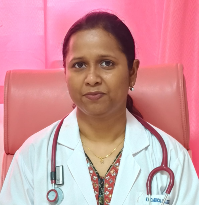
Dr. Sandhya Singh
MBBS | MS | DNB | FNB (Maternal & Fetal Medicine) FMF • ISUOG • CCGDM Certified Genetics Training – CMC Vellore
Dedicated Maternal & Fetal Medicine Specialist with strong academic credentials, extensive teaching experience, and proven expertise in fetal ultrasound, high-risk obstetrics, and evidence-based research. Actively involved in undergraduate and postgraduate teaching, national and international academic contributions, and clinical leadership.
This course includes:
₹210,000.00
₹180,000.00
(including registration fees of 10,000.00)
Why Choose Us
Because your growth deserves nothing but the best in medical education.

Expert-Driven Curriculum
Our program is designed in collaboration with leading healthcare professionals to ensure you receive the most up-to-date and relevant education.

Flexible Learning Environment
Access course materials online anytime, allowing you to balance your studies with your professional and personal commitments.

Comprehensive Support
Benefit from continuous support from experienced tutors and academic advisors dedicated to your success

Interactive Learning
Engage with a variety of interactive learning tools, including real-life case studies, practical assignments, and virtual simulations.

Networking Opportunities
Connect with a diverse community of learners and professionals, providing valuable networking opportunities and peer support

Affordable Education
We offer competitive pricing with flexible payment plans and financial aid options to make your education more accessible.

Recognized Certification
Obtain a certification that is respected and recognized in the healthcare industry, enhancing your professional credentials and career prospects

Career Support
Beyond education, we provide comprehensive career guidance, job placement assistance guarantee, and ongoing professional development support.
What Our Alumni Are Saying
Discover How MedJoin Global Healthcare Is Transforming Careers Worldwide.
It is my honor to pursue the Fellowship in Diabetes Mellitus with Medjoin. The syllabus is well-structured and up-to-date with the latest advancements in the field. The live sessions with experts are particularly valuable and highly appreciated. This fellowship is an excellent opportunity for anyone looking to enhance their knowledge and skills in diabetes care.

Joining the Fellowship in Internal Medicine with Medjoin has been a truly enriching experience. The curriculum is comprehensive, covering both foundational concepts and the latest clinical practices. Live interactive sessions with experienced faculty provide practical insights that go beyond textbooks. I highly recommend this program.
Enrolling in the Advanced Certification in Emergency Medicine with Medjoin has been an incredibly rewarding journey. The program offers a well-rounded curriculum that blends core principles with the most recent advancements in clinical practice. I strongly recommend this certification to healthcare professionals aiming to enhance their knowledge.
Frequently Asked Questions
It is an advanced subspecialty training program for ENT surgeons that focuses on the diagnosis and surgical management of sinonasal diseases using minimally invasive techniques. It builds on prior training in Otorhinolaryngology and emphasizes both clinical and surgical expertise.
Doctors who have completed MS, DNB, or equivalent qualifications in ENT (Otorhinolaryngology) are eligible. Some institutes may also require prior surgical experience or an entrance interview.
You will gain hands-on training in Functional Endoscopic Sinus Surgery, including uncinectomy, maxillary antrostomy, ethmoidectomy, and sphenoidotomy. Exposure to advanced procedures like frontal sinus surgery and revision cases is also included.
Yes, modern fellowships include training in techniques such as Balloon Sinuplasty, along with image-guided navigation and hybrid surgical approaches.
You will treat a wide range of sinonasal disorders, especially Chronic Rhinosinusitis, nasal polyps, fungal sinusitis, and recurrent sinus infections.
Typically 6 months to 1 year, though some programs may extend to 18 months depending on training depth and institutional structure.
It is a balanced combination of both. However, the major focus is on developing surgical skills along with strong clinical decision-making and patient management.
Yes. Training usually follows a stepwise approach—observation, assistance, supervised surgery, and eventually independent procedures, depending on your progress and institutional policy.
If you want to specialize in rhinology and perform advanced sinus surgeries with confidence, then yes. It significantly improves surgical skills, clinical judgment, and career prospects.
You will gain exposure, but independent performance of skull base surgery usually requires additional specialized training and experience.
Yes. With increasing awareness of minimally invasive procedures and rising cases of sinus disease, trained specialists are in growing demand, especially in urban healthcare setups.
Sign up today and be the first to
access our exclusive offers
MedJoin Global Healthcare is an online learning platform designed to foster interaction and knowledge exchange among participants. Through discussion forums, live webinars, and virtual networking events, learners can connect with peers worldwide.
- SK 30, Sector 116, Noida, Uttar Pradesh 201301
- +91 63701 82504
- info@medjoinhealthcare.in
We Accept Payments Using: