
We Build Building and Great Constructive Homes.
We successfully cope with tasks of varying complexity, provide long-term guarantees and regularly master new technologies.
Course Description
Advanced Certificate in Pediatrics is a comprehensive program designed to enhance clinical knowledge and practical skills in child healthcare. It focuses on the prevention, diagnosis, and management of common and complex pediatric conditions, including neonatal care, growth and development, nutrition, and childhood illnesses. The program is ideal for medical graduates and healthcare professionals seeking to strengthen their expertise in pediatric practice. Through structured learning, case-based discussions, and evidence-based guidelines, participants gain confidence in delivering high-quality, patient-centered care for infants, children, and adolescents, while staying aligned with the latest advancements in pediatric medicine.
Highlights:
- 6 months of Program under the expert guidance
- Classes by experienced faculties.
- Flexible learning mode.
- Live doubt clearing sessions
- Associated with UGC & GRADE NAACA+ University
- Training with Reputed Hospital
Why Choose the Advanced Certificate in Pediatrics?
The Advanced Certificate in Pediatrics is designed for healthcare professionals who want to strengthen their expertise in child healthcare and deliver better clinical outcomes. The program offers comprehensive coverage of pediatric diseases, neonatal care, growth and development, nutrition, and preventive healthcare, aligned with the latest clinical guidelines.
Through structured learning and case-based approaches, participants gain practical insights that can be applied directly in clinical practice. The course helps enhance diagnostic accuracy, treatment planning, and patient communication skills. Ideal for medical graduates and practicing clinicians, this certification supports career advancement while ensuring high-quality, evidence-based care for infants, children, and adolescents.
What You'll Get
Upon successful completion of the course and all required assessments, you'll receive a professional certificate endorsed by reputed certification bodies and recognized by leading healthcare institutions—adding credibility and value to your medical profile.
- Learning from Renowned Experts
- Online Accessibility
- Engaging Multimedia Content
- Recognized Advanced Certificate
Course Highlight
Modules Comprehensive modules covering various aspects of nutrition & dietetics.
Assessments Quizzes, assignments to test your knowledge and skills.
Certification Certified Nutritionist credential upon completion.
Key Features
Comprehensive Curriculum
Expert-Led Training
Hands-On Learning
Up-to-Date Knowledge
Career Advancement
Flexible Learning Format
Course Structure
- Clinical Assessment of an Infant or Child with Cardiac Problem
- Assessment of an Infant or Child with Cyanotic and Acyanotic Heart Defects
- Diagnosis and Management of different types of Shunt Defects
- Diagnosis & Management of different types of different types of Obstructive Lesions
- Clinical features, Investigations and Management of Regurgitant Lesions
- Clinical features, Investigations and Management of Cyanotic Lesions
- Acquired Heart Diseases and types of Cardiomyopathies in Children
- Pediatric ECG and Arrhythmias
- Genetics, Teratogens and Common Cardiac Malformations
- Management of Blood Glucose in Type-1 Diabetic
- Management of Abnormal Blood Sugar Levels & Hypoglycemia in Children
- Lifestyle Considerations for Children with Type-1 Diabetics
- Immediate and Long-term Complications of Diabetes & Strategies to Prevent it
- Management of Diabetes during Surgery & Monitoring of Glycemic Control
- Philosophy of Palliative Care for children and young people
- Assessment and Management of children’s palliative care
- Coping with Palliative Care
- Basics & Pathophysiology of Type-1 Diabetes
- Basics of Basal Bolus Regimen in child with Type-1 Diabetes
- Basics of Carbohydrate Counting
- Introduction to Blood Glucose Monitoring
- Introduction to Insulin Injections
- Basics of Continuous Subcutaneous Insulin Pump Therapy
- Basics of Continuous Glucose Monitoring Systems
Introduction
- Overview of infectious diseases in Pediatrics
- Epidemiology and public health considerations
Microbiology and Immunology:
- Study of microorganisms relevant to pediatric infectious diseases
- Immune system development in children
Common Pediatric Infections:
- Diagnosis and management of common bacterial, viral, and fungal infections in children
- Diagnosis and management of Respiratory infections
- Diagnosis and management of gastrointestinal infections
- Diagnosis and management of urinary tract infections, etc.
Vaccine-Preventable Diseases:
- In-depth study of vaccine-preventable diseases in children
- Immunization schedules and strategies
Infectious Diseases in Newborns:
- Diagnosis and management of infections in neonates
- Diagnosis and management of Perinatal infections
- Diagnosis and management of Sepsis
- Diagnosis and management of congenital infections
Travel-Related Infections in Pediatrics:
- Assessment and prevention of infections related to travel
- Vaccination and health advice for international travel
Public Health and Epidemiology:
- Principles of public health in the context of infectious diseases
- Epidemiological investigations and surveillance
Introduction
- Overview of pediatric gastroenterology
- Historical perspective and development of the field
Gastrointestinal Anatomy and Physiology:
- In-depth study of the anatomy of the digestive system in children
- In-depth study of function of the digestive system in children
- Normal growth and development of the gastrointestinal tract
Common Pediatric Gastrointestinal Disorders:
- Diagnosis and management of common gastrointestinal conditions in children
- Diagnosis and management of Gastroesophageal reflux
- Diagnosis and management of constipation
- Diagnosis and management of diarrhea
- Diagnosis and management of abdominal pain
Malabsorption Syndromes:
- Disorders affecting nutrient absorption in the gastrointestinal tract
- Management of malabsorption in pediatric patients
Gastrointestinal Motility Disorders:
- Disorders affecting the movement of the gastrointestinal tract
- Evaluation and treatment of motility disorders in children
Introduction
- Overview of pediatric pulmonology
- Historical perspective and development of the field
Respiratory Anatomy and Physiology in Children:
- In-depth study of the respiratory system in children
- Normal growth and development of the respiratory tract
Common Pediatric Respiratory Disorders:
- Diagnosis and management of common respiratory conditions in children
- Diagnosis and management of Asthma
- Diagnosis and management of Bronchiolitis
- Diagnosis and management of Pneumonia
- Diagnosis and management of respiratory infections
Neonatal Respiratory Distress Syndrome:
- Diagnosis and management of respiratory issues in newborns
- Surfactant therapy and neonatal respiratory support
Interstitial Lung Diseases in Children:
- Evaluation and treatment of pediatric interstitial lung diseases
- Connective tissue disorders affecting the respiratory system
Allergic and Immunologic Respiratory Disorders:
- Asthma and allergic conditions in pediatric patients
- Immunodeficiency disorders affecting the respiratory system
Ethics and Cultural Competence:
- Ethical considerations in pediatric pulmonology practice
- Cultural competence and diversity in patient care
Introduction
- Overview of bacterial infections in pediatric patients
- Epidemiology and common pathogens
Microbiology and Pathogenesis:
- Study of bacterial pathogens relevant to pediatric infections
- Mechanisms of bacterial pathogenesis
Host Defense Mechanisms:
- Immune system responses to bacterial infections in children
- Immune system development in pediatric patients
Clinical Presentation and Diagnosis:
- Recognizing signs and symptoms of bacterial infections
- Diagnostic approaches and laboratory tests
Pediatric Respiratory Bacterial Infections:
- Diagnosis and management of bacterial respiratory infections
- Diagnosis and management of Pneumonia
- Diagnosis and management of Bronchitis
- Diagnosis and management of Sinusitis
Pediatric Bacterial Sepsis:
- Recognition and management of bacterial sepsis in children
- Recognition and management of Septic shock
- Recognition and management of Organ Dysfunction
Prevention of Bacterial Infections:
- Vaccination strategies for bacterial infections
- Preventive measures in healthcare settings
Introduction
- Overview of pediatric ophthalmology
- Developmental aspects of the pediatric ophthalmology
Ocular & Vision Examination:
- Techniques for examining the vision
- Age-appropriate examination methods
Refractive Errors in Children:
- Diagnosis and correction of refractive errors in pediatric patients
- Diagnosis and correction of Myopia
- Diagnosis and correction of Hyperopia
- Diagnosis and correction of Astigmatism
Pediatric Ocular Infections and Inflammations:
- Diagnosis and treatment of infectious and inflammatory conditions affecting the eyes
- Diagnosis and treatment of Conjunctivitis
- Diagnosis and treatment of Uveitis
Pediatric Ophthalmic Imaging:
- Use of imaging techniques in pediatric eye care
- Optical coherence tomography (OCT)
- Fundus photography, etc.
Introduction
- Overview of pediatric ear, nose, and throat conditions
- Unique aspects of managing ENT issues in children
Pediatric Ear Conditions:
- Diagnosis and management of pediatric ear disorders
- Diagnosis and management of Otitis media
- Diagnosis and management of Hearing loss
- Diagnosis and management of Ear infections
- Diagnosis and management of Congenital ear anomalies
Pediatric Nose and Sinus Disorders:
- Evaluation and treatment of pediatric nasal and sinus conditions
- Evaluation and treatment of Allergic rhinitis
- Evaluation and treatment of Sinusitis
- Evaluation and treatment of Nasal obstruction
Pediatric Swallowing Disorders:
- Evaluation and management of pediatric swallowing difficulties
- Evaluation and management of Dysphagia
- Evaluation and management of Aspiration
Introduction
- Overview of parasitic diseases affecting children
- Global distribution and impact on child health
Helminthic Infections in Pediatrics:
- Diagnosis and management of intestinal helminths
- Diagnosis and management of Soil-transmitted helminths
- Diagnosis and management of Intestinal flukes
- Diagnosis and management of Intestinal tapeworms
Protozoan Infections in Pediatrics:
- Diagnosis and treatment of protozoan infections
- Diagnosis and treatment of Malaria
- Diagnosis and treatment of Giardiasis
- Diagnosis and treatment of Amoebiasis
- Diagnosis and treatment of Toxoplasmosis
Parasitic Infections in Immunocompromised Children:
- Special considerations for parasitic infections in children with compromised immune systems
- HIV/AIDS-related parasitic infections
Parasitic Infections in Travelers and Immigrants:
- Evaluation and management of parasitic infections in pediatric travelers and immigrants
- Screening and preventive measures
Diagnostic Techniques in Pediatric Parasitology:
- Laboratory methods for diagnosing parasitic infections in children
- Laboratory methods for Stool examination
- Laboratory methods for serological testing
- Laboratory methods for Molecular diagnostics
Prevention and Control of Pediatric Parasitic Infections:
- Public health strategies for preventing and controlling parasitic diseases
- Public health strategies for Water and sanitation
- Public health strategies for Vector control
- Public health strategies for Vaccination
Introduction
- Overview of dermatological conditions in pediatric patients
- Unique aspects of skin conditions in children
Pediatric Dermatologic Examination:
- Techniques for examining the pediatric skin
- Age-related examination methods
Common Pediatric Dermatologic Conditions:
- Diagnosis and management of common skin conditions in children
- Diagnosis and management of Atopic dermatitis
- Diagnosis and management of Diaper dermatitis
- Diagnosis and management of Contact dermatitis
Genetic and Congenital Skin Disorders:
- Evaluation and treatment of genetic and congenital skin disorders in children
- Evaluation and treatment of Epidermolysis bullosa
- Evaluation and treatment of Ichthyosis
- Evaluation and treatment of Vascular anomalies
Infectious Skin Conditions in Pediatrics:
- Recognition and management of infectious skin diseases in children
- Recognition and management of Impetigo
- Recognition and management of Fungal infections
- Recognition and management of Viral exanthems
Eligibility
- MBBS/BDS/MDS/AYUSH
- Practicing Physicians
- MD and DNB/FNB residents
- Medical Students who are in final year can also apply.
Course Fee
Course Fee ₹70,000.00
Registration Fee ₹10,000.00
Total Fee ₹51,000.00
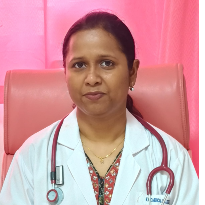
Dr. Sandhya Singh
MBBS | MS | DNB | FNB (Maternal & Fetal Medicine) FMF • ISUOG • CCGDM Certified Genetics Training – CMC Vellore
Dedicated Maternal & Fetal Medicine Specialist with strong academic credentials, extensive teaching experience, and proven expertise in fetal ultrasound, high-risk obstetrics, and evidence-based research. Actively involved in undergraduate and postgraduate teaching, national and international academic contributions, and clinical leadership.
This course includes:
₹80,000.00
₹51,000.00
(including registration fees of 10,000.00)
Why Choose Us
Because your growth deserves nothing but the best in medical education.

Expert-Driven Curriculum
Our program is designed in collaboration with leading healthcare professionals to ensure you receive the most up-to-date and relevant education.

Flexible Learning Environment
Access course materials online anytime, allowing you to balance your studies with your professional and personal commitments.

Comprehensive Support
Benefit from continuous support from experienced tutors and academic advisors dedicated to your success

Interactive Learning
Engage with a variety of interactive learning tools, including real-life case studies, practical assignments, and virtual simulations.

Networking Opportunities
Connect with a diverse community of learners and professionals, providing valuable networking opportunities and peer support

Affordable Education
We offer competitive pricing with flexible payment plans and financial aid options to make your education more accessible.

Recognized Certification
Obtain a certification that is respected and recognized in the healthcare industry, enhancing your professional credentials and career prospects

Career Support
Beyond education, we provide comprehensive career guidance, job placement assistance guarantee, and ongoing professional development support.
What Our Alumni Are Saying
Discover How MedJoin Global Healthcare Is Transforming Careers Worldwide.
It is my honor to pursue the Fellowship in Diabetes Mellitus with Medjoin. The syllabus is well-structured and up-to-date with the latest advancements in the field. The live sessions with experts are particularly valuable and highly appreciated. This fellowship is an excellent opportunity for anyone looking to enhance their knowledge and skills in diabetes care.

Joining the Fellowship in Internal Medicine with Medjoin has been a truly enriching experience. The curriculum is comprehensive, covering both foundational concepts and the latest clinical practices. Live interactive sessions with experienced faculty provide practical insights that go beyond textbooks. I highly recommend this program.
Enrolling in the Advanced Certification in Emergency Medicine with Medjoin has been an incredibly rewarding journey. The program offers a well-rounded curriculum that blends core principles with the most recent advancements in clinical practice. I strongly recommend this certification to healthcare professionals aiming to enhance their knowledge.
Frequently Asked Questions
It is a specialized program designed to enhance knowledge and clinical skills in pediatric and child healthcare.
The course is ideal for medical graduates, practicing doctors, and healthcare professionals involved in child healthcare.
The curriculum includes neonatal care, growth and development, nutrition, common pediatric illnesses, and preventive child healthcare.
Yes, the structured learning format allows professionals to balance studies with clinical practice.
It strengthens pediatric expertise, improves clinical confidence, and enhances career opportunities in hospitals and clinics.
Yes, it emphasizes case-based learning and evidence-based clinical guidelines.
Sign up today and be the first to
access our exclusive offers
MedJoin Global Healthcare is an online learning platform designed to foster interaction and knowledge exchange among participants. Through discussion forums, live webinars, and virtual networking events, learners can connect with peers worldwide.
- SK 30, Sector 116, Noida, Uttar Pradesh 201301
- +91 63701 82504
- info@medjoinhealthcare.in
We Accept Payments Using: