

We Build Building and Great Constructive Homes.
We successfully cope with tasks of varying complexity, provide long-term guarantees and regularly master new technologies.
Course Description
Advanced Certificate in Critical Care Medicine (ACCCM) is a focused, practice-oriented program designed for medical professionals who want to strengthen their expertise in the management of critically ill patients. With the rising complexity of diseases and increasing demand for skilled ICU doctors, this program equips physicians with advanced clinical knowledge, hands-on skills, and evidence-based decision-making abilities required in modern critical care settings.
Program Overview
Critical care medicine plays a vital role in saving lives during medical emergencies and severe illnesses. The Advanced Certificate in Critical Care Medicine is structured to provide comprehensive training in intensive care unit (ICU) practices, covering both theoretical foundations and real-world clinical applications. The curriculum is aligned with current international guidelines and emphasizes practical learning to help doctors confidently manage complex cases in high-pressure environments.
Highlights:
- 6 months of Program under the expert guidance
- Classes by experienced faculties.
- Flexible learning mode.
- Live doubt clearing sessions
- Associated with UGC & GRADE NAACA+ University
- Training with Reputed Hospital
Key Learning Areas
The program covers a wide range of essential topics in critical care, including:
- Principles of ICU setup and patient monitoring
- Ventilator management and respiratory failure
- Hemodynamic monitoring and shock management
- Sepsis, septic shock, and infection control
- Cardiac emergencies and advanced life support
- Neurological emergencies and altered sensorium
- Renal failure, electrolyte imbalance, and acid–base disorders
- Nutrition, sedation, analgesia, and end-of-life care
Through structured modules, participants gain a clear understanding of how to assess critically ill patients, prioritize interventions, and apply evidence-based protocols to improve outcomes.
Practical and Clinical Focus
A major strength of the Advanced Certificate in Critical Care Medicine is its emphasis on hands-on training. Learners are exposed to real ICU scenarios, case-based discussions, and clinical simulations that enhance diagnostic and procedural skills. This practical approach helps bridge the gap between theory and bedside practice, enabling doctors to handle emergencies with confidence and precision.
Career Benefits
Completing an Advanced Certificate in Critical Care Medicine significantly enhances professional competence and career prospects. Graduates are better prepared to manage ICU patients independently, take up leadership roles in critical care units, and explore advanced fellowships or higher responsibilities in hospitals. The certification also adds strong value to a doctor’s profile in both national and international healthcare settings.
The Advanced Certificate in Critical Care Medicine is a valuable step for doctors aiming to excel in critical and emergency care. By combining updated medical knowledge, practical ICU training, and clinical exposure, the program empowers healthcare professionals to deliver high-quality, life-saving care in the most challenging clinical situations.
What You'll Get
- Training by renowned and experienced experts
- Flexible online learning with easy accessibility
- Interactive and engaging multimedia-based content
- Widely recognized Advanced Certificate
Course Highlight
Modules Comprehensive modules covering various aspects of nutrition & dietetics.
Assessments Quizzes, assignments to test your knowledge and skills.
Certification Certified Nutritionist credential upon completion.
Key Features
Comprehensive Curriculum
Expert-Led Training
Hands-On Learning
Up-to-Date Knowledge
Career Advancement
Flexible Learning Format
Course Structure
- Introduction
- History of Critical Care
- Patient Evaluation and Assessment
- Medical Gas Supplies
- Gas and Vapour Controls
- Breathing System Components
- Common Breathing Systems
- Principles of Invasive Positive Pressure Ventilation (IPPV)
- Ventilator Settings and Alarms
- Filters, Humidifiers and Scavenging Systems
- Basic Monitoring: ECG, SpO2 and Blood Pressure
- Gas Monitoring: O2, CO2, and Anaesthetic Agents
- Nerve Stimulators and Temperature Monitoring
- Checking the Anaesthetic Machine
- Checking Other Equipments
- Common Equipment Problems
- Goodpasture's disease signs and symptoms
- Causes of nocturia
- Definitions of chronic kidney disease
- Management of chronic kidney disease
- Causes of dysuria
- Investigation and management of urinary tract infection
- Investigation and management of acute kidney injury
- Investigation and management of haematuria
- Renal replacement therapy in critical care
- ACP and different illness trajectories
- Case study: end-stage renal disease
- Discussing 'Do Not Attempt CPR' decisions
- Framework for end-of-life care in advanced kidney disease
- Symptom management complicated by coexisting conditions
- The management of diabetes at the end of life
- AKI - Differential Diagnosis
- AKI - Fluid Resuscitation
- AKI - Life-threatening Complications
- CKD - Hypertension in CKD
- General Preoperative Measures
- The Purpose of Preoperative Visiting
- Assessment Of A Difficult Airway
- ASA Grading and Preoperative Investigations
- Risk and Consent
- Assess Patients With Cardiovascular Or Respiratory Diseases
- Identify Problems Posed By Obese & Diabetic Patients
- Identify Risks Posed By Extremes Of Age & Emergency Surgery
- Principles Of Safe Practice & Role Of Anaesthetist
- Preparation And Usage of Equipment & Drugs
- General Theatre Conduct
- Medicines Safety In Anaesthetic Practice
- Aims of Anaesthesia
- Basic Principles Of Sedation
- Types of Anaesthesia
- Airway Maintenance: Facemask
- The Classic Laryngeal Mask Airway
- Basics of Tracheal Tube – 1
- Basics of Tracheal Tube – 2
- Recognizing Clinical signs & Management of Airway Obstruction
- Recognizing Clinical signs & Management of Difficult Airway
- How To Identify The Appropriate Sites for Induction
- Choice of Airway
- Importance of Pre-oxygenation
- Stages of Unconsciousness in Patients
- Signs and symptoms of viral encephalitis
- All about HSV encephalitis
- Investigation and management of urinary tract infection
- Management of the septic patient
- Investigation and management of Sepsis
- e-Assessment - UTI
- Urinary Tract Infections
- Standard 15: Infection Prevention and Control e-Learning
- Social Distancing, Hand Hygiene and Personal Protective Equipment
- Taking Care of Residents and Yourselves
- Taking Care of the Environment
- Leprosy
- Lyme Disease
- Subcutaneous Mycoses and Other Mycoses
- Infectious Blisters
- Cutaneous Leishmaniasis
- Dermatological Presentations of COVID-19
- Staphylococcal Related Skin Disorders
- Acute Wound Infections
- Chronic Osteomyelitis in the Lower Limb
- Finger Tip Infections
- Care of airway equipment
- Hand washing
- Safe sharps disposal
- Pneumococcal Infections in HIV
- Tuberculosis
- Herpes Infections
- Cytomegalovirus
- Cryptosporidiosis and Microsporidiosis
- Herpes Infections
- Cytomegalovirus
- Cryptosporidiosis and Microsporidiosis
- Genital Lumps
- Differential Diagnosis of Anogenital Warts
- Anogenital Warts
- Cervical Intraepithelial Neoplasia (CIN)
- VIN, PIN and VAIN
- Infection Prevention and Control
- Pre medication
- Intravenous Induction Agents
- Inhalational Anaesthetic Agents
- Perioperative Analgesia
- Neuromuscular Blocking Agents
- Local Anaesthetic Agents
- Drugs Used in an Emergency
- Overview of Recovery
- Airway maintenance and oxygen therapy
- How To Assess Post-Operative Pain
- Ward Visit after Major Surgery
- Identify Signs that Indicate Developing Respiratory Problems
- Identify & How to Treat Intraoperative Hypotension, Hypertension
- Bradycardia & Tachycardia
- Recognise & Treatment of Anaphylaxis
- Management of Perioperative Arrest
- IV Cannula Insertion
- IV Cannula Removal
- Central Line Insertion
- Central Line Removal
- Arterial Catheterization
- Pulmonary Artery Catheterization
- Urinary Catheterization
- Chest Tube Insertion
- Chest Tube Removal
- Basic Principles of ECG
- Ischemic Heart Disease
- Tachyarrhythmias
- Bradyarrhythmias
- Wolff–Parkinson–White Syndrome
- Bundle Branch Blocks and Fascicular Blocks
- Inherited Cardiac Arrhythmias
- Artificial Cardiac Pacemakers
- Diseases of the Pericardium and Myocardium
- Drugs and Electrolyte Abnormalities
- Cardioversion
- Defibrillation
- Intracranial Pressure (ICP) Monitoring And Management
- Sedation, Analgesia, And Delirium Management In Intensive Care
- Targeted Temperature Management (TTM) In Neurological Injury
- Gastrointestinal Endoscopy
- Biliary Atresia
- Endoscopy With Feeding Tube Insertion
- Abdominal Paracentesis
- Sengstaken Tube Placement
- Management of Pain in Critically Ill Patients
- Anesthesia for Bedside ICU Procedures
- Various Gases used as Anesthetic Agents
Eligibility
- MBBS/BDS/AYUSH/Nursing & Other Healthcare Graduates
- Practicing Doctors (MBBS+MD/MS/M.Ch)
- MBBS+MD And DNB Residents
- Undergraduate Medical Students In The Final Year
Course Fee
Course Fee ₹80,000.00
Registration Fee ₹10,000.00
Total Fee ₹60,000.00
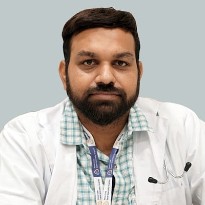
Dr. Anuj Tripathi
MBBS MD Critical Care Medicine Specialist
Dr. Ayush Pandey
MBBS, MD (Medicine) FRSPH (London)
- Allergy and Asthma, AASC (USA) Fellowship Critical Care, USA (FCCS)
- Specialised in Respiratory Medicine
- Fellowship in Internal Medicine (FIM)
- FNIV (Fellowship in Critical Care)(Spain)
- FNCC (Fellowship in Nephrology)
- FEM (Fellowship in Emergency Medicine)
- Certified Diabetes Educator (CDE)

This course includes:
₹90,000.00
₹60,000.00
(including registration fees of 10,000.00)
Why Choose Us
Because your growth deserves nothing but the best in medical education.

Expert-Driven Curriculum
Our program is designed in collaboration with leading healthcare professionals to ensure you receive the most up-to-date and relevant education.

Flexible Learning Environment
Access course materials online anytime, allowing you to balance your studies with your professional and personal commitments.

Comprehensive Support
Benefit from continuous support from experienced tutors and academic advisors dedicated to your success

Interactive Learning
Engage with a variety of interactive learning tools, including real-life case studies, practical assignments, and virtual simulations.

Networking Opportunities
Connect with a diverse community of learners and professionals, providing valuable networking opportunities and peer support

Affordable Education
We offer competitive pricing with flexible payment plans and financial aid options to make your education more accessible.

Recognized Certification
Obtain a certification that is respected and recognized in the healthcare industry, enhancing your professional credentials and career prospects

Career Support
Beyond education, we provide comprehensive career guidance, job placement assistance guarantee, and ongoing professional development support.
What Our Alumni Are Saying
Discover How MedJoin Global Healthcare Is Transforming Careers Worldwide.
It is my honor to pursue the Fellowship in Diabetes Mellitus with Medjoin. The syllabus is well-structured and up-to-date with the latest advancements in the field. The live sessions with experts are particularly valuable and highly appreciated. This fellowship is an excellent opportunity for anyone looking to enhance their knowledge and skills in diabetes care.

Joining the Fellowship in Internal Medicine with Medjoin has been a truly enriching experience. The curriculum is comprehensive, covering both foundational concepts and the latest clinical practices. Live interactive sessions with experienced faculty provide practical insights that go beyond textbooks. I highly recommend this program.
Enrolling in the Advanced Certification in Emergency Medicine with Medjoin has been an incredibly rewarding journey. The program offers a well-rounded curriculum that blends core principles with the most recent advancements in clinical practice. I strongly recommend this certification to healthcare professionals aiming to enhance their knowledge.
Frequently Asked Questions
Advanced Certificate in Critical Care Medicine is a specialized training program designed to enhance doctors’ knowledge and practical skills in managing critically ill patients in ICUs and emergency care settings.
Advanced Certificate in Critical Care Medicine is primarily offered through online learning, often supported by clinical case discussions and practical exposure, depending on the training structure.
Yes, the program emphasizes practical learning through case-based discussions, clinical scenarios, and applied training to help participants gain real-world ICU experience.
The duration varies by institution but typically ranges from a 3-6 months, allowing working doctors to balance learning with clinical responsibilities.
Yes, participants receive a recognized Advanced Certificate in Critical Care Medicine upon successful completion of the program.
The certification improves clinical competence, boosts confidence in ICU decision-making, and enhances career opportunities in emergency departments, ICUs, and critical care units.
Yes, it serves as a strong foundation for advanced fellowships or higher training in critical care and emergency medicine.
Absolutely. The program is structured to benefit both beginners and experienced doctors by building core concepts and advancing clinical skills in critical care medicine.
Sign up today and be the first to
access our exclusive offers
MedJoin Global Healthcare is an online learning platform designed to foster interaction and knowledge exchange among participants. Through discussion forums, live webinars, and virtual networking events, learners can connect with peers worldwide.
- SK 30, Sector 116, Noida, Uttar Pradesh 201301
- +91 63701 82504
- info@medjoinhealthcare.in
We Accept Payments Using: